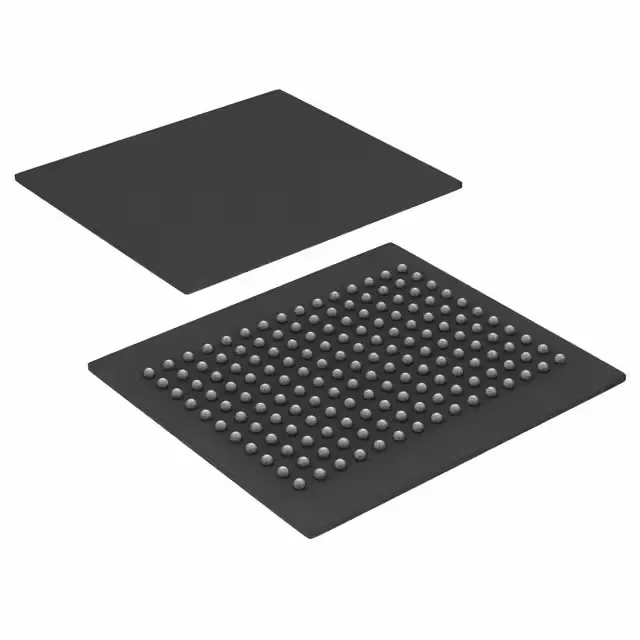
36 Mbit synchronous SRAM at 167 MHz — what it brings to the bus
This part is a single-data-rate (SDR) synchronous SRAM — every rising edge of the clock can launch a read or write transaction, making it a fit for high-throughput data buffers, cache tag stores, and wide-word look-up tables in networking or DSP subsystems. The 36-bit word width maps naturally to 32-bit data buses with parity or ECC overhead.
Package and thermal context
For BOM lines already qualified to this footprint and timing, the supply path is the independent distribution channel — surplus stock, new-old-stock, or broker-sourced material. If you are in a design phase, look at current-generation synchronous SRAMs in the same 165-ball FBGA footprint with compatible timing — a pin-compatible cross reference is not documented here, so a full board respin may be required.