250 MHz QDR-II SRAM — what it does for the bus
It runs at a 250 MHz clock, delivering back-to-back read and write operations on separate ports without dead cycles — the defining advantage of the QDR-II architecture over traditional DDR or NoBL SRAM.
Industrial temperature range — outdoor and factory-floor ready
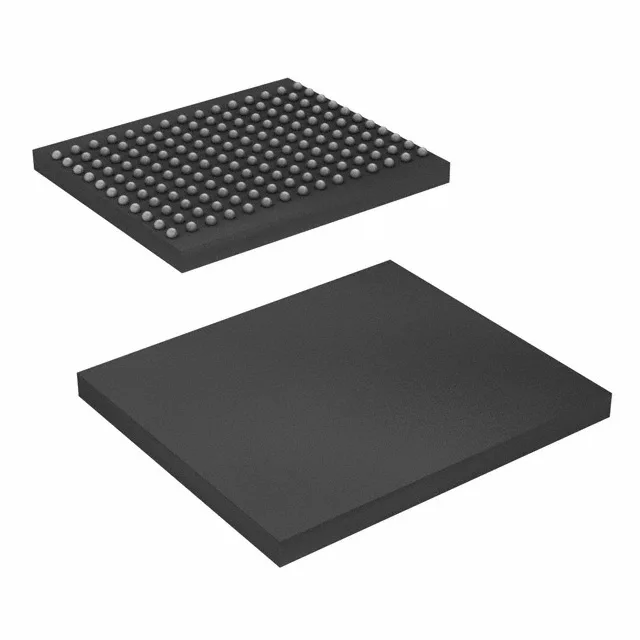
The 165-ball FBGA (13x15 mm) package requires careful PCB layout — the BGA footprint needs a controlled-impedance routing, proper decoupling capacitors close to each supply pin, and a solid ground plane to manage the simultaneous switching noise from the 250 MHz bus.
The base product number CY7C1415 covers the density and speed grade family — pin-compatible siblings at different clock rates or temperature ranges exist, but a specific second-source alternate is not listed.