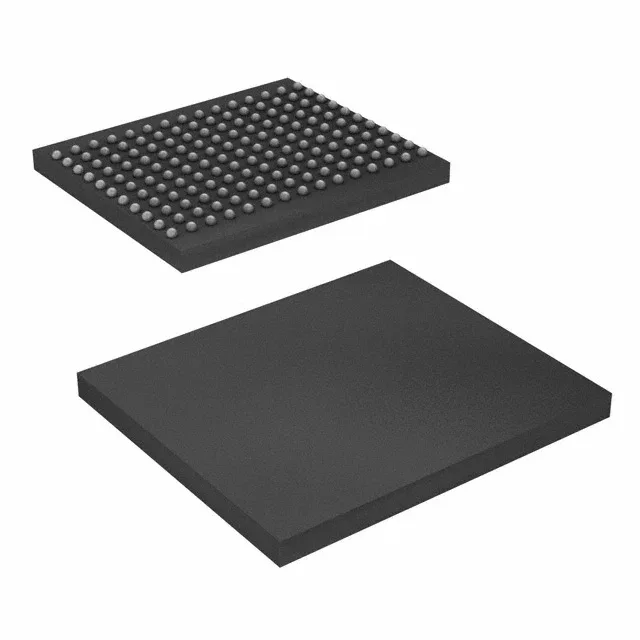
Infineon Technologies CY7C1415KV18-250BZC — Memory (DRAM / SRAM / Flash / EEPROM)

CY7C1415KV18-250BZC QDR II SRAM, 36Mbit, 250 MHz, 165-LBGA

MPNCY7C1415KV18-250BZC
Obsolete

Infineon (Cypress) CY7C1415KV18-250BZC, QDR II synchronous SRAM, 36Mbit, 1M x 36 organization, 250 MHz clock frequency, parallel interface, 1.7V–1.9V supply, 165-LBGA (13x15), 0°C–70°C operating temperature, tray.

$44.8200Ref. price · indicative, final on quote
Independent supplier — new & surplus stockAuthenticity-screened · ESD-safe packingListing updated Jul 2026

Specifications

CY7C1415KV18-250BZC specifications
ParameterValue
Memory typeVolatile
MountingSurface Mount
Supply voltage1.7V ~ 1.9V
Clock frequency250 MHz
Memory interfaceParallel
Operating temperature0°C~70°C(TA)
PackageTray
TechnologySRAM - Synchronous, QDR II
Memory size36Mbit
Memory formatSRAM
Case165-LBGA
Memory organization1M x 36

Product details

QDR II SRAM — 36 Mbit at 250 MHz

It clocks at 250 MHz, delivering two data words per clock cycle on separate read and write ports — effectively doubling throughput versus a single-port SRAM at the same frequency. This part is designed for high-bandwidth applications such as network packet buffers, cache memory in telecom line cards, and high-end test equipment where back-to-back read/write operations cannot tolerate bus-turnaround dead cycles.

The supplier device package is 165-FBGA (13x15). The tray shipping medium is standard for this BGA format.

Lifecycle reality — obsolete, no direct replacement on record

For a BOM that still requires this exact density and QDR II interface, the procurement path is through independent distribution — last-time-buy inventory or verified surplus. If your design can tolerate a different package or density, a parametric search for 36 Mbit QDR II SRAM in a 165-ball BGA may yield a cross, but no pin-compatible alternate is confirmed here.

Frequently asked questions

Does CY7C1415KV18-250BZC have a direct equivalent from other manufacturers?

No direct pin-compatible equivalent from another manufacturer is confirmed in the record. The QDR II standard is licensed, so second-source options are rare. A parametric search for 36 Mbit, 250 MHz, 165-ball BGA QDR II SRAM may identify functionally similar parts, but each requires a layout review.