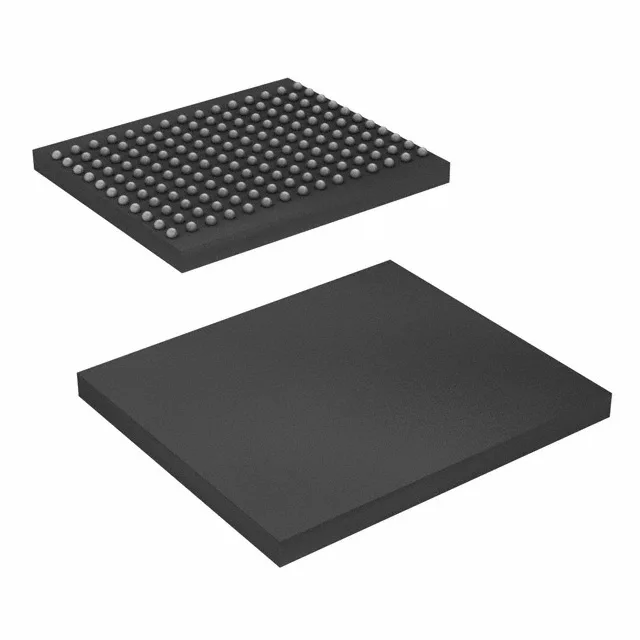
Infineon Technologies CY7C1412KV18-250BZI — Memory (DRAM / SRAM / Flash / EEPROM)

Infineon CY7C1412KV18-250BZI QDR II SRAM, 36Mbit, 250 MHz

MPNCY7C1412KV18-250BZI
Active

Infineon CY7C1412KV18-250BZI, QDR II synchronous SRAM, 36Mbit (2M x 18), 250 MHz clock frequency, 1.7V–1.9V supply, parallel interface, -40°C to 85°C operating temperature, 165-FBGA (13x15mm) package, Tray.

$38.9998Ref. price · indicative, final on quote
Independent supplier — new & surplus stockAuthenticity-screened · ESD-safe packingListing updated Aug 2026

Specifications

CY7C1412KV18-250BZI specifications
ParameterValue
Memory typeVolatile
MountingSurface Mount
Supply voltage1.7V ~ 1.9V
Clock frequency250 MHz
Memory interfaceParallel
Operating temperature-40°C ~ 85°C (TA)
PackageTray
TechnologySRAM - Synchronous, QDR II
Memory size36Mbit
Memory formatSRAM
Case165-LBGA
Memory organization2M x 18

Product details

The 250 MHz clock rate delivers two data transfers per cycle (on both rising and falling edges), giving an effective bandwidth of 500 million transactions per second on each of the read and write ports.

The core supply operates from 1.7V to 1.9V, a narrow window that demands a clean, well-regulated rail — a 1.8V LDO or switching regulator with tight load regulation is the typical choice. The 1.9V ceiling means the memory is not tolerant of 2.5V or 3.3V I/O; the interface is strictly 1.8V HSTL-class signalling.

Package and board-level handling

The base product number CY7C1412 covers the full density and speed range; the -250BZI suffix specifies the 250 MHz speed grade in the industrial-temperature FBGA package.

Frequently asked questions

What is the memory organization of CY7C1412KV18-250BZI?

The memory is organized as 2M words by 18 bits, for a total of 36Mbit. The 18-bit word width includes two bytes plus two parity/ECC bits if needed, or can be used as a 16-bit data path with two tag bits.

Can CY7C1412KV18-250BZI be used as a replacement for CY7C1412KV18-200BZI?

Yes — the -250BZI is the 250 MHz speed grade of the same base part number. It is pin-compatible and functionally identical to the 200 MHz variant, offering higher clock speed. The 250 MHz part can run at 200 MHz if the system clock is slower, providing a drop-in upgrade path.