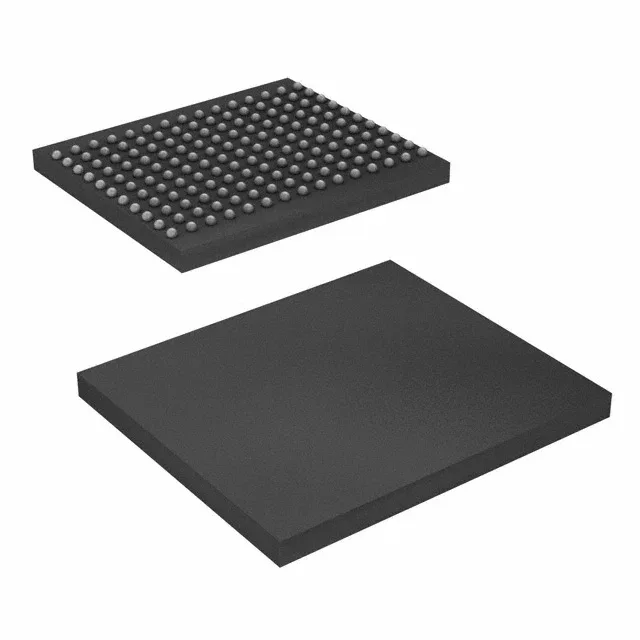
Infineon Technologies CY7C1320JV18-300BZC — Memory (DRAM / SRAM / Flash / EEPROM)

CY7C1320JV18-300BZC SRAM 18Mbit 300MHz FBGA Obsolete

MPNCY7C1320JV18-300BZC
Obsolete

Infineon CY7C1320JV18-300BZC, 18Mbit Synchronous DDR II SRAM organized 512K x 36, 300 MHz clock, 1.7V–1.9V supply, 165-ball FBGA (13x15 mm), commercial temperature range 0°C to 70°C.

$36.2400Ref. price · indicative, final on quote
Independent supplier — new & surplus stockAuthenticity-screened · ESD-safe packingListing updated Jul 2026

Specifications

CY7C1320JV18-300BZC specifications
ParameterValue
Memory typeVolatile
MountingSurface Mount
Supply voltage1.7V ~ 1.9V
Clock frequency300 MHz
Memory interfaceParallel
Operating temperature0°C~70°C(TA)
PackageTray
TechnologySRAM - Synchronous, DDR II
Memory size18Mbit
Memory formatSRAM
Case165-LBGA
Memory organization512K x 36

Product details

DDR II SRAM for high-bandwidth memory applications

The CY7C1320JV18-300BZC is an 18Mbit Synchronous DDR II SRAM from Infineon, organized as 512K x 36 bits, clocked at 300 MHz. Operating from a 1.7V to 1.9V core supply, the part uses a parallel interface and is rated for the commercial temperature range of 0°C to 70°C — suitable for controlled indoor environments such as server racks or test equipment, not for outdoor or unheated enclosures.

Infineon lists the CY7C1320JV18-300BZC as Obsolete.

Package and layout considerations for 300 MHz operation

The 165-ball FBGA package (13x15 mm body) demands a multi-layer PCB with controlled impedance traces and local decoupling capacitors. At 300 MHz, signal-integrity margins are tight — the DDR II architecture uses both clock edges for data transfer, so clock skew and Vref noise directly affect setup/hold timing. For reflow, the moisture sensitivity level (MSL) should be verified from the latest Infineon datasheet; FBGA packages often require a bake before rework if the floor-life has been exceeded.

Frequently asked questions

What is the clock frequency of the CY7C1320JV18-300BZC?

The clock frequency is 300 MHz. As a DDR II device, data transfers on both rising and falling clock edges, giving an effective data rate of 600 MHz.