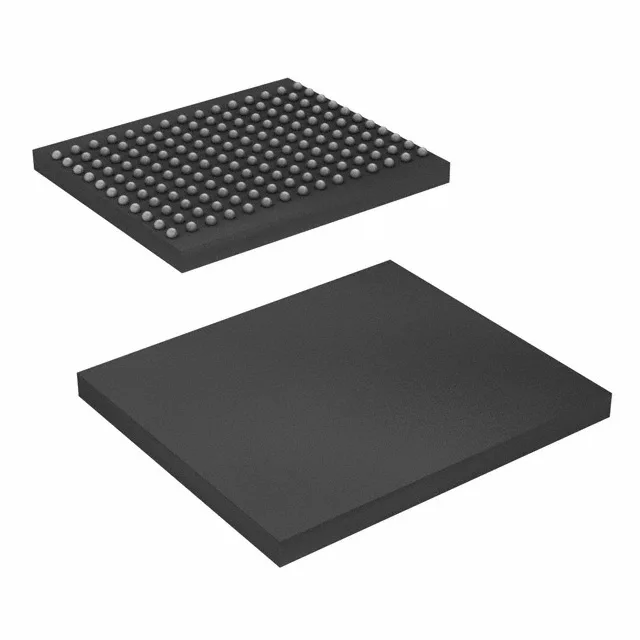
Infineon Technologies CY7C1315BV18-167BZCT — Memory (DRAM / SRAM / Flash / EEPROM)

CY7C1315BV18-167BZCT QDR II SRAM 18Mbit 167 MHz Obsolete

MPNCY7C1315BV18-167BZCT
Obsolete

Infineon CY7C1315BV18-167BZCT, 18Mbit QDR II synchronous SRAM, 512K x 36 organization, 167 MHz clock, 1.7V–1.9V supply, 165-FBGA (13x15 mm), commercial temperature range.

$31.9600Ref. price · indicative, final on quote
Independent supplier — new & surplus stockAuthenticity-screened · ESD-safe packingListing updated Jul 2026

Specifications

CY7C1315BV18-167BZCT specifications
ParameterValue
Memory typeVolatile
MountingSurface Mount
Supply voltage1.7V ~ 1.9V
Clock frequency167 MHz
Memory interfaceParallel
Operating temperature0°C ~ 70°C (TA)
PackageTape & Reel (TR)
TechnologySRAM - Synchronous, QDR II
Memory size18Mbit
Memory formatSRAM
Case165-LBGA
Memory organization512K x 36

Product details

QDR II SRAM for high-throughput line cards

The CY7C1315BV18-167BZCT is a 18Mbit QDR II synchronous SRAM organized as 512K x 36, clocked at 167 MHz over a parallel interface.

At 167 MHz, the memory interface demands careful signal-integrity design on the PCB — trace-length matching and controlled impedance on the data and address lines are necessary to meet setup/hold times. The supply voltage range of 1.7V to 1.9V is tight; a clean 1.8V rail with low ripple (under 50 mV peak-to-peak) is recommended, and the 165-FBGA package (13x15 mm) requires a multi-layer board with microvia fan-out for the BGA balls.

Infineon lists the CY7C1315BV18-167BZCT as Obsolete. For BOM lines that still require this exact order code, the only sourcing path is through independent distribution or broker inventory — we can source and quote against your quantity on request.

Frequently asked questions

Can CY7C1315BV18-167BZCT be used in place of CY7C1315BV18-200BZCT?

The 200BZCT variant runs at 200 MHz versus 167 MHz. They share the same 512K x 36 organization, 1.7-1.9V supply, and 165-FBGA package, so the 167 MHz part can replace the 200 MHz part only if the system clock is reduced to 167 MHz or the controller can negotiate a slower speed. Verify timing closure before substitution.