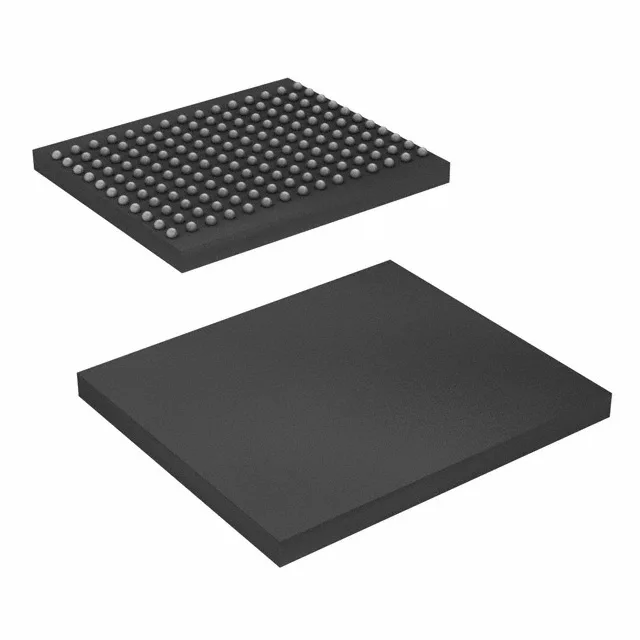
Infineon Technologies CY7C1314CV18-200BZC — Memory (DRAM / SRAM / Flash / EEPROM)

Cypress CY7C1314CV18-200BZC QDR II SRAM, 18Mbit, 200 MHz

MPNCY7C1314CV18-200BZC
Obsolete

Cypress CY7C1314CV18-200BZC, QDR II synchronous SRAM, 18Mbit, 200 MHz clock, 512K x 36 organization, 1.7V–1.9V supply, 165-FBGA (13x15), commercial temperature 0°C to 70°C.

Independent supplier — new & surplus stockAuthenticity-screened · ESD-safe packingListing updated Jul 2026

Specifications

CY7C1314CV18-200BZC specifications
ParameterValue
Memory typeVolatile
MountingSurface Mount
Supply voltage1.7V ~ 1.9V
Clock frequency200 MHz
Memory interfaceParallel
Operating temperature0°C ~ 70°C (TA)
PackageTray
TechnologySRAM - Synchronous, QDR II
Memory size18Mbit
Memory formatSRAM
Case165-LBGA
Memory organization512K x 36

Product details

Cypress has marked the CY7C1314CV18-200BZC obsolete. No last-time-buy window remains open from the factory. For BOM lines already locked to this footprint, supply runs through independent distribution — we source and quote to order against an RFQ. No official pin-compatible replacement is listed; any alternate would require a board spin or a drop-in from a different QDR II density or speed grade, which needs timing revalidation.

Commercial temp — indoor racks only

That covers server rooms, central offices, and benchtop instruments. Not for outdoor base stations, engine bays, or unheated cabinets.

Frequently asked questions

What is the closest pin-compatible alternative to CY7C1314CV18-200BZC?

No official pin-compatible replacement is listed by Cypress. A drop-in from a different QDR II density or speed grade (e.g., 9 Mbit or 36 Mbit, or a 250 MHz variant) would require verifying the footprint, timing, and supply voltage against the original design.

What is CY7C1314CV18-200BZC's package type?

The part is supplied in a 165-ball LBGA (low-profile ball grid array) on tray. The supplier device package is a 165-FBGA measuring 13x15 mm.

What technology does CY7C1314CV18-200BZC use?

It is a synchronous SRAM using QDR II (Quad Data Rate II) architecture — separate read and write data ports eliminate bus-turnaround dead cycles, sustaining full-rate back-to-back transactions at 200 MHz.