400 MHz DDR II+ — the throughput engine for line-rate buffers
It's organized as 1M x 18 bits, which gives you an 18-bit-wide data bus running double-data-rate transfers — two data words per clock cycle — for an effective bandwidth that keeps up with 10G/25G packet processors and network search engines. The 1.7V to 1.9V core supply aligns with the low-voltage I/O of modern ASICs and FPGAs, and the parallel memory interface is the standard QDR/DDR-style bus used in high-performance networking line cards, test equipment, and telecom infrastructure.
165-FBGA footprint — what the layout engineer needs to know
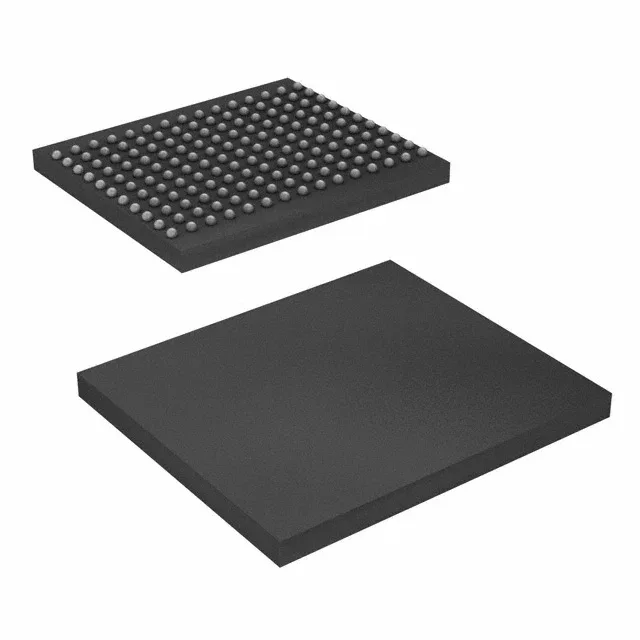
The part comes in a 165-ball FBGA measuring 13x15 mm (supplier device package 165-FBGA). That's a 1.0 mm ball pitch, which is manageable on a standard 6- or 8-layer PCB with blind vias if you're tight on space. If your design sees a factory floor or an outdoor cabinet, you'll want to look at the industrial-temperature sibling in the same family.
Active lifecycle — no EOL clock ticking
The part is also ROHS3 compliant.