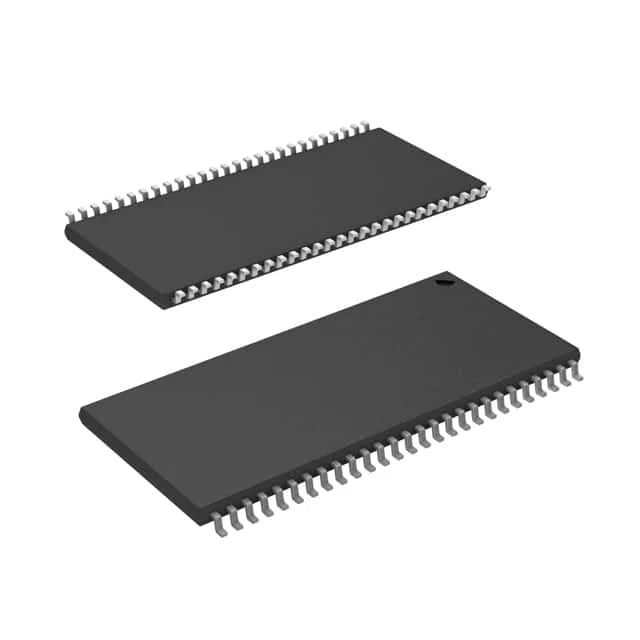
Infineon Technologies CY7C1061GN30-10ZSXIT — Memory (DRAM / SRAM / Flash / EEPROM)

Infineon CY7C1061GN30-10ZSXIT 16Mbit Async SRAM, 10 ns

MPNCY7C1061GN30-10ZSXIT
Active

Infineon CY7C1061GN30-10ZSXIT, 16Mbit asynchronous SRAM, 10 ns access time, 1M x 16 organization, 2.2 V to 3.6 V supply, 54-TSOP II package, -40°C to 85°C, Tape & Reel.

$53.7600Ref. price · indicative, final on quote
Independent supplier — new & surplus stockAuthenticity-screened · ESD-safe packingListing updated Aug 2026

Specifications

CY7C1061GN30-10ZSXIT specifications
ParameterValue
Memory typeVolatile
MountingSurface Mount
Supply voltage2.2V ~ 3.6V
Memory interfaceParallel
Operating temperature-40°C~85°C(TA)
PackageTape & Reel (TR)
TechnologySRAM - Asynchronous
Access time10 ns
Memory size16Mbit
Memory formatSRAM
Case54-TSOP (0.400\", 10.16mm Width)
Memory organization1M x 16
Write cycle time - word, page10ns

Product details

This is a volatile, fast static RAM for designs that need deterministic read/write latency without refresh cycles — the kind of memory you pick for cache, packet buffers, or real-time control stores where DRAM's refresh overhead is unwelcome. That is the same speed grade as the earlier CY7C1061AV33 family, so a drop-in swap on an existing layout is plausible — same 54-TSOP II footprint, same supply range.

The 54-TSOP II package (0.400" body width, 10.16 mm) is a standard asynchronous SRAM footprint shared across multiple vendors.

No LTB window to chase, no last-time-buy risk for a production program starting now. The Tape & Reel suffix (ZSXIT) indicates this variant ships on 13-inch reels for automated pick-and-place. If your line runs tube or tray, the base part number CY7C1061GN30-10ZSXI is the tray version — same silicon, same speed grade, different shipping medium.

Frequently asked questions

What package does the CY7C1061GN30-10ZSXIT come in?

The part is packaged Tape & Reel (TR) in a 54-TSOP II (0.400 inch width) surface-mount case.

What technology does the CY7C1061GN30-10ZSXIT use?

It is an asynchronous SRAM — no internal refresh, no serial interface, just a parallel address/data bus driven directly by the host processor or FPGA.