The CY7C1061G18-15BVJXIT is a 16Mbit asynchronous SRAM from Cypress, organized as 1M x 16, with a 15 ns access time. For a 66 MHz bus (15 ns period), the access time eats the whole cycle, leaving zero margin; a 50 MHz bus (20 ns) gives a 5 ns window for address decode and trace delay.
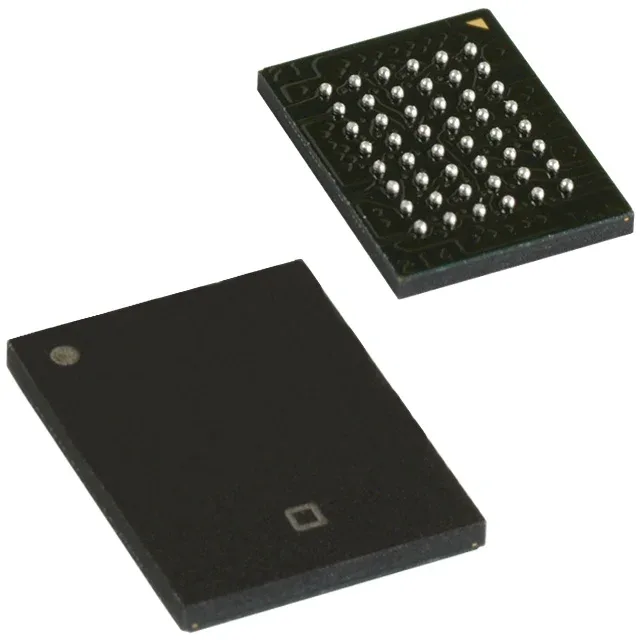
CY7C1061G18-15BVJXIT 16Mbit Async SRAM, 15 ns, 1.65V–2.2V
MPNCY7C1061G18-15BVJXIT
Active
Cypress CY7C1061G18-15BVJXIT, 16Mbit asynchronous SRAM, 15 ns access time, 1.65V–2.2V supply, parallel interface, 1M x 16 organization, -40°C to 85°C, 48-VFBGA (6x8 mm), Tape & Reel.
$38.5000Ref. price · indicative, final on quote
Independent supplier — new & surplus stockAuthenticity-screened · ESD-safe packingListing updated Aug 2026
Specifications
| Parameter | Value |
|---|---|
| Memory type | Volatile |
| Mounting | Surface Mount |
| Supply voltage | 1.65V ~ 2.2V |
| Memory interface | Parallel |
| Operating temperature | -40°C~85°C(TA) |
| Package | Tape & Reel (TR) |
| Technology | SRAM - Asynchronous |
| Access time | 15 ns |
| Memory size | 16Mbit |
| Memory format | SRAM |
| Case | 48-VFBGA |
| Memory organization | 1M x 16 |
| Write cycle time - word, page | 15ns |
Product details
Frequently asked questions
What is the access time of CY7C1061G18-15BVJXIT?
The access time is 15 ns. It determines the fastest clock speed the memory can support without wait states — for a 50 MHz bus (20 ns cycle) you have 5 ns of margin for address decode and trace delay.
Is CY7C1061G18-15BVJXIT compatible with 1.8V logic?
Yes. The supply voltage range is 1.65V to 2.2V, which covers the nominal 1.8V rail. All I/O are referenced to the supply, so the part interfaces directly with 1.8V logic families without level shifters.
What is the difference between CY7C1061G18-15BVJXIT and CY7C1061G18-15BVI?
The suffix difference is the packaging format. The -15BVJXIT is supplied in Tape & Reel (TR) for automated assembly, while the -15BVI is typically in a tray or tube. The silicon, the 15 ns speed grade, the 48-VFBGA package, and the electrical specs are identical. Choose the reel variant for high-volume pick-and-place lines.