The Cypress CY7C1041B-15ZXC is a 4Mbit asynchronous SRAM organized as 256K x 16, built for 5V-only buses where the processor or controller expects a read-to-data-valid window of 15 ns. That access time means the part can serve a 33 MHz bus with zero wait states, assuming the memory controller's tRC and tAA margins are met. The 15 ns write cycle time, word and page modes both, mirrors the read speed, so back-to-back writes don't stall the pipeline. The parallel interface is straightforward — no clock, no DLL, no refresh overhead. For a legacy DSP or 5V microcontroller that needs fast scratchpad or look-up table storage, this part fits without glue logic. The 4Mbit density (256K words of 16 bits) suits moderate-size data buffers, frame stores, or code shadowing in older embedded systems.
The CY7C1041B-15ZXC is marked obsolete by Cypress (now Infineon). No official successor part number appears in the lifecycle record, which means no direct drop-in replacement from the original manufacturer. The 15 ns speed grade and 44-TSOP II footprint narrow the field: most modern 5V SRAMs have moved to narrower TSOP or BGA packages, or shifted to lower supply voltages. The 15 ns speed grade is not common in current-production 5V SRAMs, so a cross-reference search should prioritise parts with the same package (44-TSOP II, 0.400" body) and at least 15 ns access time. A buyer should request date-code and lot-trace documentation with any quote; the risk of relabeled or counterfeit parts rises once a device is officially discontinued.
Package and temperature — footprint and environment limits
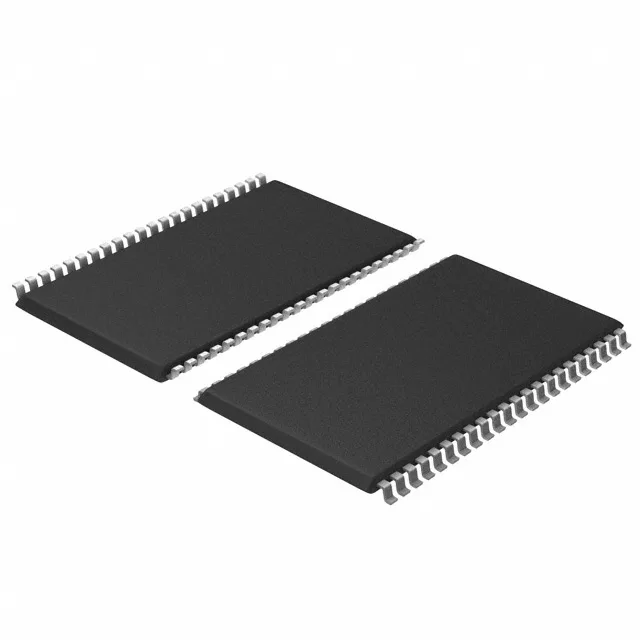
The 44-TSOP II package (0.400" body width, 10.16 mm height) is a surface-mount form factor common in late-1990s to mid-2000s designs. The 0.400" width is narrower than the 0.525" TSOP I used for many DRAMs, so a replacement must match this exact body size — a 44-TSOP I part will not fit the same land pattern. This limits the part to indoor, temperature-controlled environments — office equipment, telecom central-office racks, consumer electronics.