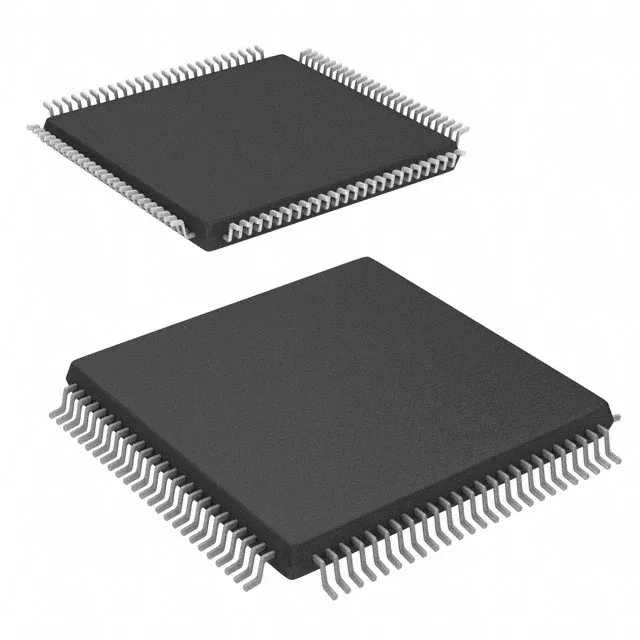
Infineon Technologies CY7C0241-15AXCT — Memory (DRAM / SRAM / Flash / EEPROM)

CY7C0241-15AXCT Dual-Port SRAM, 72Kbit, 15 ns, 100-TQFP

MPNCY7C0241-15AXCT
Obsolete

Infineon CY7C0241-15AXCT, Dual-Port Asynchronous SRAM, 72Kbit (4K x 18), 15 ns access time, Parallel interface, 4.5V-5.5V supply, 0°C-70°C, 100-TQFP (14x14), Tape & Reel.

Independent supplier — new & surplus stockAuthenticity-screened · ESD-safe packingListing updated Jul 2026

Specifications

CY7C0241-15AXCT specifications
ParameterValue
Memory typeVolatile
MountingSurface Mount
Supply voltage4.5V ~ 5.5V
Memory interfaceParallel
Operating temperature0°C~70°C(TA)
PackageTape & Reel (TR)
TechnologySRAM - Dual Port, Asynchronous
Access time15 ns
Memory size72Kbit
Memory formatSRAM
Case100-LQFP
Memory organization4K x 18
Write cycle time - word, page15ns

Product details

The Infineon CY7C0241-15AXCT is a 72Kbit dual-port asynchronous SRAM organized as 4K words by 18 bits. It provides two independent ports with separate address, data, and control lines, allowing simultaneous read/write access from two bus masters without external arbitration logic.

Buyers should plan for last-time-buy or lifetime-buy quantities if the program has remaining demand, as supply will only tighten over time.

Package and temperature grade — design constraints

Frequently asked questions

Is CY7C0241-15AXCT obsolete?

Yes, the CY7C0241-15AXCT is listed as obsolete. Infineon has discontinued production. For legacy designs, the part is available through surplus and broker channels.

What is the difference between asynchronous and synchronous dual-port SRAM?

Asynchronous dual-port SRAM, like the CY7C0241-15AXCT, does not require a clock signal for read or write operations — access is controlled by chip enable, output enable, and write enable signals. Synchronous dual-port SRAM uses a clock to latch addresses and data, which can simplify timing closure in high-speed designs but adds clock distribution and setup/hold constraints. For a 15 ns access time part, asynchronous operation is straightforward to interface with most microcontrollers and FPGAs without a dedicated memory controller.