Surge protection window and what the voltage ratings mean for the rail
The 1.5KE16A-HF: The 13.6V reverse standoff voltage means it sits across a 12V nominal rail without conducting in normal operation — the TVS stays invisible until the transient exceeds the standoff threshold. This clamping voltage is what the downstream circuitry sees during the surge event — a 12V-rated rail needs components that survive 22.5V for the pulse duration.
Package, rework, and board integration
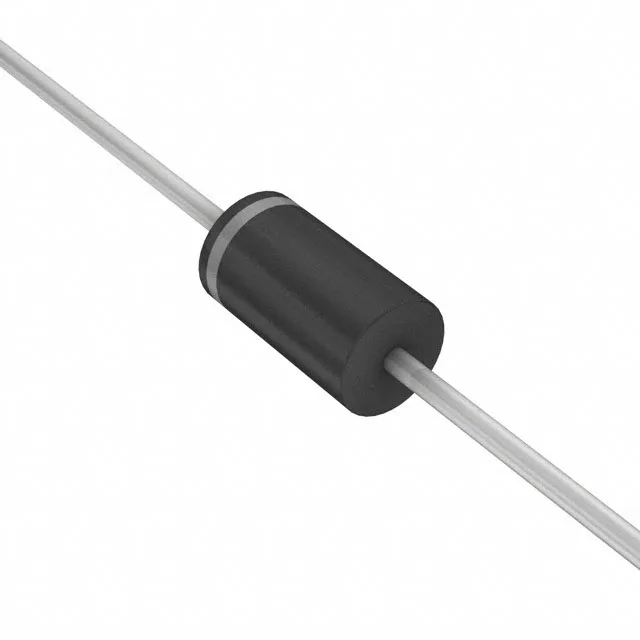
Housed in a DO-201AA / DO-27 axial-lead package (supplier device package DO-201), the 1.5KE16A-HF is a through-hole part. The axial leads make it straightforward to hand-rework — a hot-air station or soldering iron can remove and replace it without lifting pads, provided the board has adequate thermal relief on the anode/cathode pads. The through-hole mounting suits point-to-point wiring, terminal blocks, or PCB layouts where the TVS is socketed or soldered into a power entry stage. The package is supplied in Tape & Box (TB) format for automated insertion.
Temperature range and deployment environment
The wide range also means the TVS can be placed near hot components like power resistors or transformers without derating concerns. Power line protection is not listed — the 1.5KE16A-HF is intended for general-purpose transient suppression on signal or DC power rails, not for AC mains primary protection.