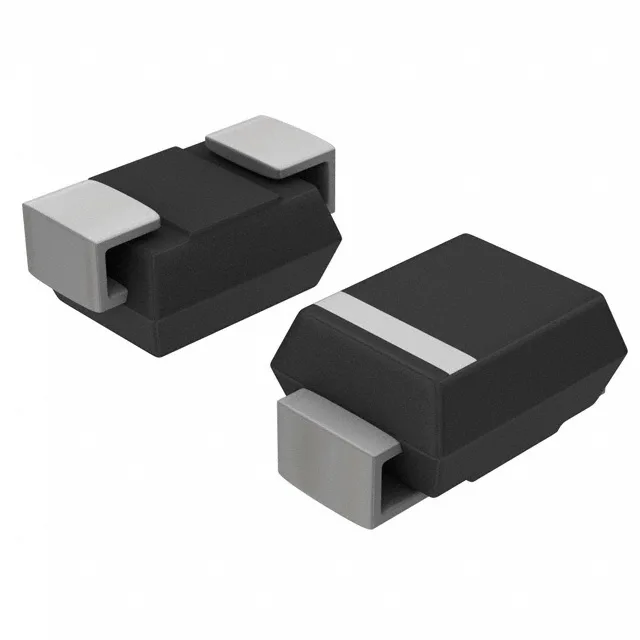
YAGEO 5.0SMDJ12A/TR13 — Circuit Protection

YAGEO 5.0SMDJ12A/TR13 TVS Diode, 12V Standoff, 5kW Peak

MPN5.0SMDJ12A/TR13
Active

YAGEO 5.0SMDJ12A/TR13 Zener TVS diode, 12V standoff, 19.9V clamping max @ 252A, 5000W peak pulse, DO-214AB SMC surface-mount, -55°C to 150°C junction temp.

$0.7300Ref. price · indicative, final on quote
Sourced new & surplus through independent channelsAuthenticity-screened · ESD-safe packingListing updated Aug 2026

Specifications

5.0SMDJ12A/TR13 specifications
ParameterValue
TypeZener
Series5.0SMDJ
MountingSurface Mount
Voltage - breakdown13.3V
Voltage - clamping (Max) @ ipp19.9V
Voltage - reverse standoff12V
Current - peak pulse (10/1000μs)252A
Power - peak pulse5000W (5kW)
Power line protectionNo
Operating temperature-55°C~150°C(TJ)
PackageTape & Reel (TR); Cut Tape (CT)
ApplicationsGeneral Purpose
CaseDO-214AB, SMC
Unidirectional channels1

Product details

What the 12V standoff and 19.9V clamping spread means for your rail

The 5.0SMDJ12A/TR13: The standoff of 12V means the diode idles off the rail without conducting under normal operating conditions — the protected node sees only the source voltage plus whatever leakage the TVS draws at standoff (typically µA-level at room temperature). When a transient pushes the rail above the breakdown threshold of 13.3V, the diode avalanches and clamps the peak at 19.9V, limiting what the downstream load sees to roughly 66% above nominal.

SMC package and tape-and-reel packaging

The tape-and-reel and cut-tape options support both high-volume pick-and-place production runs and low-volume reel-spooling for service/rework. Solder reflow profile follows standard SAC305 or RoHS-compatible paste schedules — the diode is surface-mount with no through-hole leads to bend during board handling.

Active status and sourcing posture

No official YAGEO successor or cross-reference is listed in the ledger, so confirm your BOM position count before committing.

Frequently asked questions

What is the 5.0SMDJ12A/TR13 used for?

It is a unidirectional TVS diode (Zener-type) used for board-level transient voltage suppression — it clamps overvoltage spikes on a 12V rail to 19.9V maximum, protecting downstream ICs such as MOSFET gate drivers, Op-Amps, and processors from surge damage.

What is the difference between standoff voltage and clamping voltage on a TVS diode?

The standoff voltage (12V typ) is the rail voltage the diode sits across without conducting under normal conditions. The clamping voltage (19.9V max at 252A peak) is the voltage the diode clamps across the protected node during a transient — this is what the downstream load actually sees. The gap between them (roughly 66%) is your transient headroom budget.