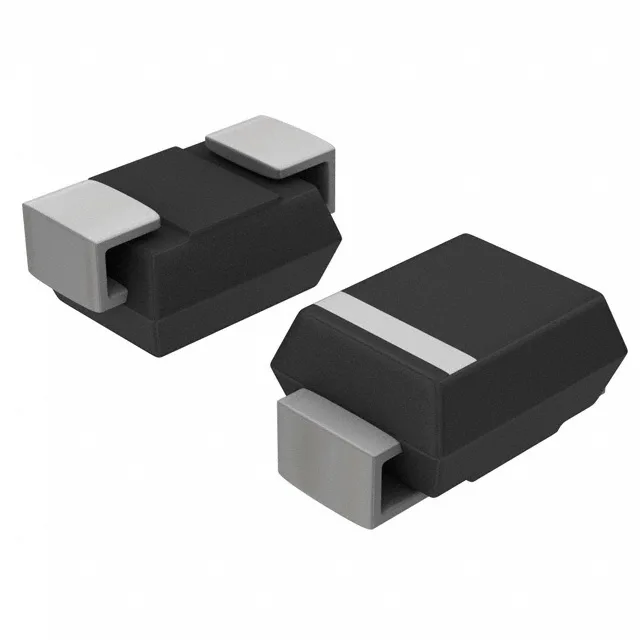
YAGEO 5.0SMDJ100CA/TR13 — Circuit Protection

YAGEO 5.0SMDJ100CA/TR13 TVS Diode, 100V standoff, 5kW

MPN5.0SMDJ100CA/TR13
Active

YAGEO 5.0SMDJ bidirectional TVS diode, 100V standoff, 111V min breakdown, 162V clamping @ 30.9A, 5kW peak pulse, DO-214AB SMC, Tape & Reel.

$0.2614Ref. price · indicative, final on quote
Sourced new & surplus through independent channelsAuthenticity-screened · ESD-safe packingListing updated Aug 2026

Specifications

5.0SMDJ100CA/TR13 specifications
ParameterValue
TypeZener
Series5.0SMDJ
MountingSurface Mount
Voltage - breakdown111V
Voltage - clamping (Max) @ ipp162V
Voltage - reverse standoff100V
Current - peak pulse (10/1000μs)30.9A
Power - peak pulse5000W (5kW)
Power line protectionNo
Operating temperature-55°C ~ 150°C (TJ)
PackageTape & Reel (TR)
ApplicationsGeneral Purpose
CaseDO-214AB, SMC
Bidirectional channels1

Product details

5 kW peak pulse, 100 V standoff — what the ratings mean

The 5.0SMDJ100CA/TR13 is a bidirectional TVS (transient voltage suppressor) diode in the YAGEO 5.0SMDJ series, specified 100 V reverse standoff — the working voltage the protected rail sees in normal operation. That 162 V ceiling is what the downstream circuit survives — the clamping voltage, not the standoff, is the let-through value the board designer budgets into the component stress margins. Choosing a 5 kW part over a 3 kW sibling means the clamping voltage stays lower under the same surge current, because the larger die has lower dynamic resistance at the clamp point.

No official YAGEO successor or cross-reference is listed for this exact order code.

Frequently asked questions

How do I get pricing and availability for 5.0SMDJ100CA/TR13?

Quoted to order against your BOM quantity. Submit an RFQ and the sourcing desk confirms availability and current lead time at quote time — no price or stock count published on the listing.

What is the closest alternative to 5.0SMDJ100CA/TR13 in the YAGEO 5.0SMDJ series?

Other parts in the 5.0SMDJ series share the same DO-214AB SMC footprint and are bidirectional, but the standoff voltage and clamping spec differ — the BOM line needs to be reviewed against the target application voltage before substituting.