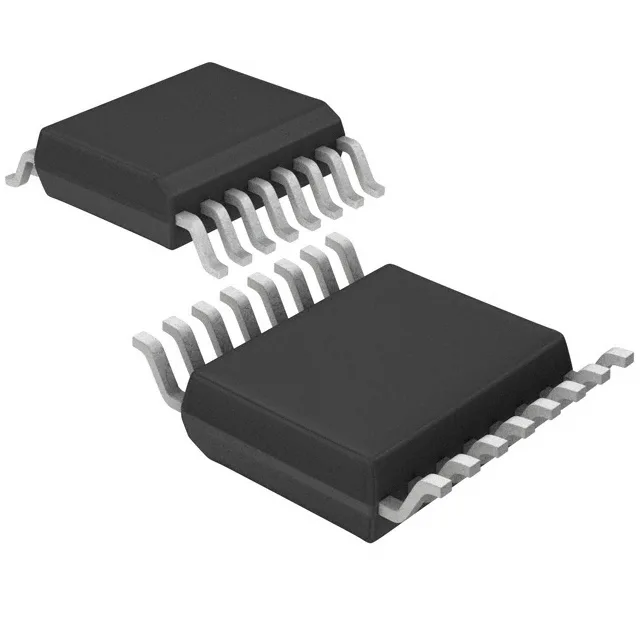
Vishay SFH6916 — Optoisolators

SFH6916 Optocoupler, 4-Ch Transistor Output

MPNSFH6916
End of Life

SFH6916 quad-channel transistor-output optocoupler, 3750Vrms isolation, 50-300% CTR at 5mA, 70V output max, 16-SOIC surface-mount package, -55°C to 100°C operating range.

$2.96Ref. price · indicative, final on quote
Packaging16-SOIC (0.173", 4.40mm Width)
StockContact for availability
MOQ1 pcs
  • 100% new & originalTraceable channels only — no refurbs, no pulls, no remarked parts.
  • Date & lot codes on quoteStated per line before you commit; label photos on request.
  • MSL-compliant ESD packingMoisture-sealed bags with indicator cards; reels photo-verified.
  • PayPal buyer protectionPay by T/T, PayPal or Payoneer — card payments covered end to end.

Specifications

SFH6916 Technical Specifications
ParameterValue
Input typeDC
Output typeTransistor
Mounting typeSurface Mount
Voltage - isolation3750Vrms
Voltage - output70V
Voltage - forward (Vf)1.15V
Current - output (Channel)50mA
Current transfer ratio300% @ 5mA
Current - DC forward (If)50 mA
Operating temperature-55°C ~ 100°C
PackageTube
Case16-SOIC (0.173\", 4.40mm Width)
Number of channels4
Vce saturation400mV
Rise (Fall time)4µs, 3µs
Turn on (Turn off time)5µs, 4µs

Product details

Quad transistor optocoupler with 3750Vrms isolation

The SFH6916 is a four-channel transistor-output optocoupler in a 16-SOIC surface-mount package, providing 3750Vrms isolation between the DC input side and the transistor output side. It is designed for signal isolation in industrial controls, PLC modules, motor drives, and power-supply feedback paths where multiple isolated channels share a common package.

CTR range and switching — what matters for the BOM

The current transfer ratio spans 50% to 300% at a forward current of 5mA. A 50% minimum CTR means the output transistor can sink at least 2.5mA with 5mA input — enough to drive a TTL or CMOS logic input directly, but check the load current against the 50mA per-channel maximum. The 300% upper bound means the part can saturate with very little LED drive, but the turn-on and turn-off times (5µs and 4µs typical, with 4µs rise and 3µs fall) set the practical switching speed below 100 kHz. For higher data rates, look at a logic-output optocoupler instead.

Output voltage and saturation — rail compatibility

The output transistor is rated for 70V collector-emitter voltage, so it can switch 5V, 12V, 24V, or even 48V logic rails. The 400mV maximum Vce saturation at the rated current keeps the voltage drop low enough for most logic thresholds. With a 50mA per-channel output current, each channel can drive a small relay, an LED indicator, or a logic input directly.

Package and rework — 16-SOIC in a tube

The SFH6916 comes in a 16-SOIC package (0.173" body width, 4.40mm) with a 1.27mm pitch — standard for hand-assembly and rework. The tube shipment keeps the leads straight; no baking required if the moisture-barrier bag is intact.

Frequently asked questions

What are the exact specifications of SFH6916, including isolation voltage and CTR?

The SFH6916 provides 3750Vrms isolation, a current transfer ratio of 50% to 300% at 5mA, a 70V maximum output voltage, 50mA per-channel output current, and typical rise/fall times of 4µs and 3µs. It operates from -55°C to 100°C.

Can SFH6916 be replaced by another quad transistor optocoupler like the SFH6915 or TLP185?

The SFH6916 is a quad-channel transistor optocoupler in a 16-SOIC package. Pin-compatible alternatives exist within the same package family, but the CTR range, isolation voltage, and switching speed differ — verify the specific ratings against your design before substituting.

Is SFH6916 compatible with 5V microcontroller output?

Yes. With a typical forward voltage of 1.15V and a 5mA forward current, a 5V microcontroller GPIO can drive the LED directly through a current-limiting resistor. The 50% minimum CTR ensures the output transistor saturates with that drive level.

What is the typical application of SFH6916 optocoupler?

Typical applications include industrial digital input modules, PLC I/O isolation, motor-drive signal isolation, power-supply feedback, and any multi-channel signal path where galvanic isolation is required between a low-voltage control side and a higher-voltage load side.