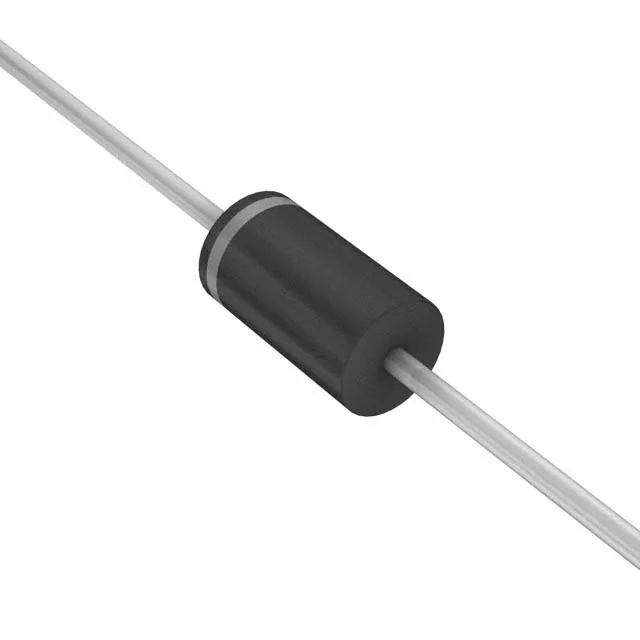
The 1N6275-E3/73: This means the part is rated for distributed-energy, longer-duration transients (such as inductive kickback or fault-induced line disturbances) rather than the near-instantaneous lightning-surge impulses that demand higher peak current ratings.
Standoff, breakdown, and clamping — the three-point TVS selection window
The 12.1 V typical reverse standoff is the working voltage the circuit sees during normal operation — the TVS sits below its breakdown knee and draws only leakage current. The 13.5 V minimum breakdown voltage establishes the threshold above which the Zener characteristic turns on and begins clamping. The 22 V maximum clamping voltage at peak pulse current is the ceiling the protected load experiences during the transient event — this three-point window (12.1 V / 13.5 V / 22 V) is the design envelope the system engineer verifies against the downstream IC or module absolute-maximum ratings.
Operating temperature range and sourcing posture
The -55°C to 175°C junction temperature range places this part in the extended-temperature industrial and instrument category — the upper limit is junction-limited, not ambient, so the thermal resistance of the DO-201AA lead frame and the PCB pad design determine how much margin remains at the target operating ambient.