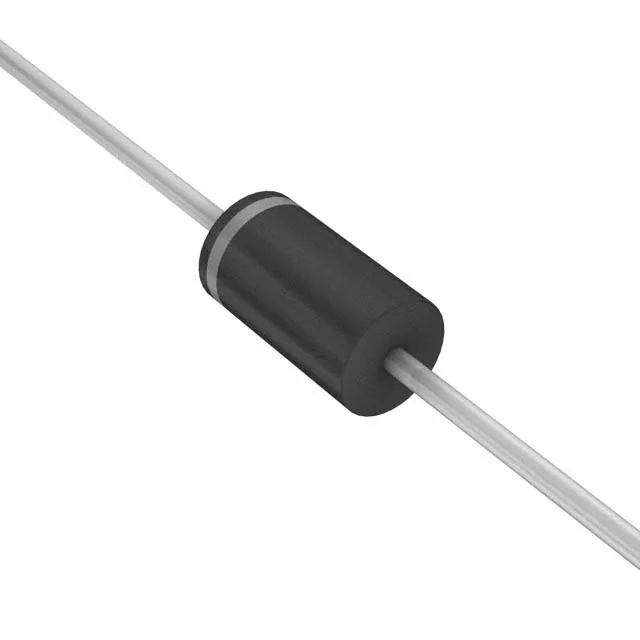
Obsolete TVS diode — sourcing reality
The 1N6275-E3/54: The 1N6275-/54 is listed obsolete by Vishay General Semiconductor — this is the first call the BOM buyer makes when typing this exact order code, and it is the gating fact for the design engineer who put it on the board years ago. An obsolete TVS in an existing build means the question is no longer 'which authorized channel' but 'what independent surplus can confirm and at what quantity against an RFQ.'. The 1.5KE series base number 1N6275 tells you this is the 1500 W (1.5 kW) peak-pulseTransient Voltage Suppressor line in Vishay's TransZorb® family — TransZorb being their registered trademark for the Zener-based avalanche suppression diode architecture. The supplier device package designation 1.5KE confirms it sits in the same footprint family as the 1.5KE33 through 1.5KE440 range.
What the 1.5 kW peak-pulse rating means
Peak pulse power of 1500 W at the standard 10/1000 µs waveform is the headline number — it sets the clamping voltage at 22 V maximum under the 68.2 A peak pulse current condition. That 22 V clamping ceiling is what the downstream circuit sees during a transient event; the 12.1 V reverse standoff is the continuous working voltage the diode sees when no event is occurring. A TVS rated this high in peak pulse is typically protecting a rail between roughly 12 V and 24 V in an industrial or telecom panel — the 22 V clamp sits above the 12.1 V standoff by a factor of 1.8×, giving the protected load room to operate without conduction while still clamping the spike before it reaches destructive levels. The -55°C to 175°C junction temperature range puts this in the high-reliability extended-temp band — it is not a consumer-board TVS sitting at 85°C ambient. Equipment that runs hot (power supplies, motor drives, outdoor enclosures) benefits from that 175°C ceiling because the thermal derating curve starts from a higher baseline.