What the peak-pulse rating means for surge protection
The 1N6273A-E3/73: For a TVS diode in the 1.5 kW class, that energy window is typically long enough to cover 8/20 µs industrial surge waveforms as well as the 10/1000 µs condition at which Vishay specifies the clamping and peak current.
Clamping voltage and standoff — the protection window
The reverse standoff of 10.2 V typical is the working voltage at which the TVS sits idle — it leaks minimally and presents no load to the protected rail. The 6.5 V gap between standoff and clamping ceiling is the protection headroom the downstream circuit must survive; a sensitive semiconductor input with an absolute maximum below 16.7 V would need a lower-clamping alternative.
Thermal and mechanical fit for the design
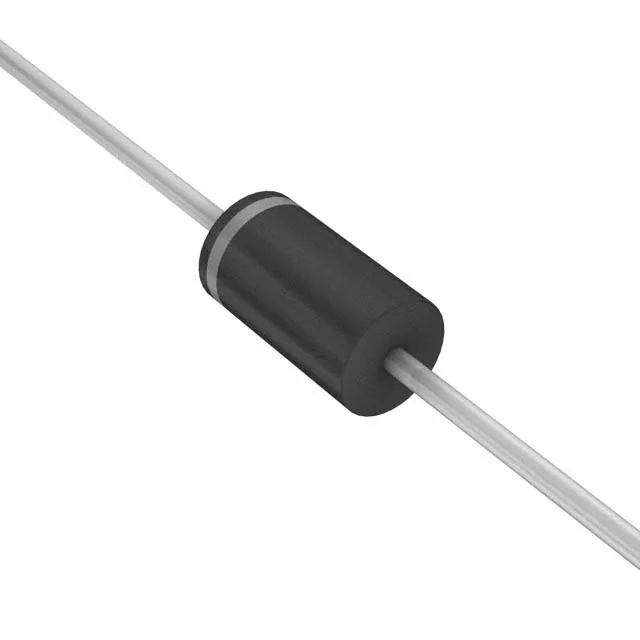
Rated junction temperature runs to 175 °C, which is a wide thermal margin compared to commercial-grade TVS parts capped at 150 °C — the part is viable in elevated-ambient or enclosed-panel environments without derating the peak pulse rating. The DO-201AA (DO-27) axial package mounts in a standard through-hole footprint; the lead length and solder joint thermal resistance govern the thermal path from junction to board copper, so verify the recommended pad land pattern against the datasheet when routing in confined enclosures. The supplier device package designation is 1.5KE — the Vishay part-number suffix that maps directly to this body style and peak-pulse class. The Tape & Box (TB) packaging option is the standard unit pack for through-hole axial TVS diodes, not a reel, so ordering is by box quantity; confirm the exact units-per-box with the distributor before committing to a BOM quantity.