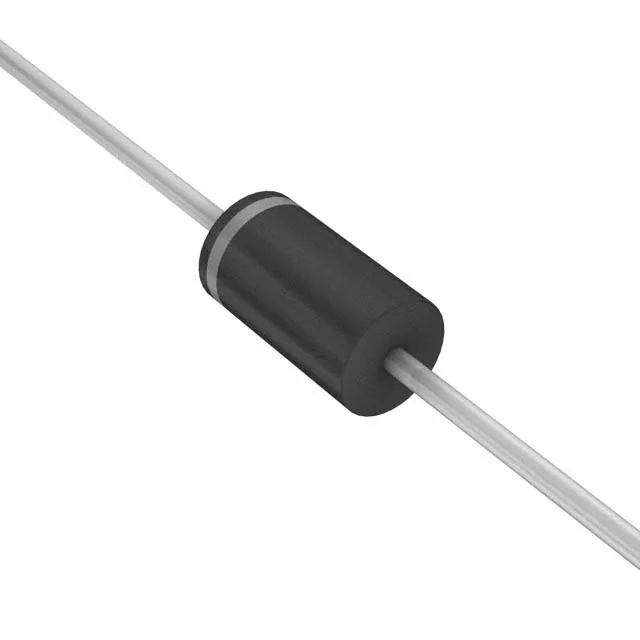
Vishay General Semiconductor - Diodes Division 1.5KE82CHE3/73 — Circuit Protection

1.5KE82CHE3/73 TVS Diode, 1500W, 66.4V Standoff

MPN1.5KE82CHE3/73
Obsolete

Vishay General Semiconductor - Diodes Division, Automotive AEC-Q101 TransZorb TVS, Zener, 1.5KE82CHE3/73, 1500W peak pulse, 66.4V standoff, 118V clamp, DO-201AA axial, through-hole.

Sourced new & surplus through independent channelsAuthenticity-screened · ESD-safe packingListing updated Jul 2026

Specifications

1.5KE82CHE3/73 specifications
ParameterValue
TypeZener
SeriesAutomotive, AEC-Q101, TransZorb®
MountingThrough Hole
Voltage - breakdown73.8V
Voltage - clamping (Max) @ ipp118V
Voltage - reverse standoff66.4V
Current - peak pulse (10/1000μs)12.7A
Power - peak pulse1500W (1.5kW)
Power line protectionNo
Operating temperature-55°C~175°C(TJ)
PackageTape & Box (TB)
ApplicationsAutomotive
CaseDO-201AA, DO-27, Axial
Bidirectional channels1

Product details

What the 1500W pulse rating means for your board

The 1.5KE82CHE3/73: With a 66.4V reverse standoff voltage and a clamping ceiling of 118V at 12.7A, it protects 48V or 60V nominal rails from load-dump and inductive kickback transients — the clamp voltage sits well below typical downstream MOSFET Vds ratings in that bus range.

Package and mounting — DO-201AA axial

Housed in a DO-201AA (DO-27) axial-lead package, it's a through-hole part — hand-solderable and easy to probe.

Sourcing an obsolete automotive TVS

This part is marked obsolete by Vishay. For a new design, look at the active 1.5KE series variants from Vishay or a pin-compatible TVS from a second source in the same DO-201AA package — the 66.4V standoff and 1500W rating are common enough that a parametric cross is straightforward.

Frequently asked questions

What package and mounting does this TVS use?

It comes in a DO-201AA (DO-27) axial-lead package for through-hole mounting.

Is 1.5KE82CHE3/73 AEC-Q101 qualified?

Yes, it belongs to the Automotive, AEC-Q101 series from Vishay, meaning it has passed automotive-grade reliability testing including temperature cycling and high-temperature reverse bias. The operating junction temperature range is -55°C to 175°C.