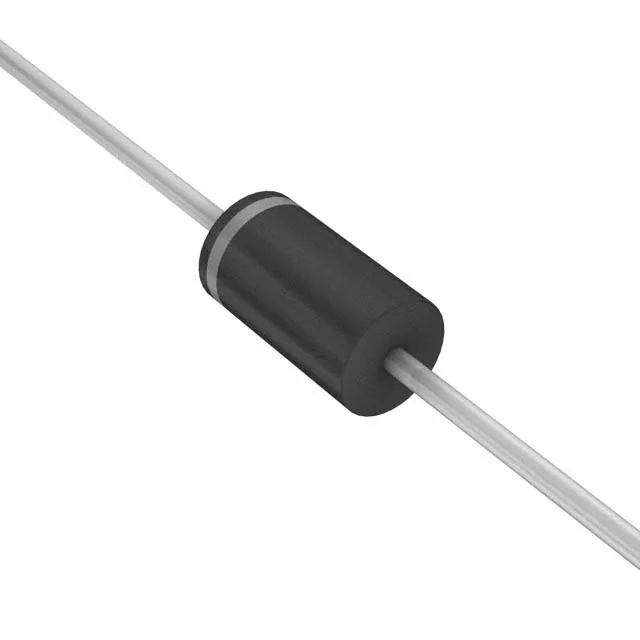
Vishay General Semiconductor - Diodes Division 1.5KE75CAHE3/51 — Circuit Protection

1.5KE75CAHE3/51 TVS Diode, 1500W, 64.1V Standoff, DO-201AA

MPN1.5KE75CAHE3/51
Obsolete

Vishay General Semiconductor - Diodes Division, Automotive AEC-Q101 TransZorb series, bidirectional TVS diode, 1.5KE75CAHE3/51, 1500W peak pulse, 64.1V reverse standoff, DO-201AA axial.

Sourced new & surplus through independent channelsAuthenticity-screened · ESD-safe packingListing updated Jul 2026

Specifications

1.5KE75CAHE3/51 specifications
ParameterValue
TypeZener
SeriesAutomotive, AEC-Q101, TransZorb®
MountingThrough Hole
Voltage - breakdown71.3V
Voltage - clamping (Max) @ ipp104V
Voltage - reverse standoff64.1V
Current - peak pulse (10/1000μs)14.6A
Power - peak pulse1500W (1.5kW)
Power line protectionNo
Operating temperature-55°C~175°C(TJ)
PackageBulk
ApplicationsAutomotive
CaseDO-201AA, DO-27, Axial
Bidirectional channels1

Product details

1500 W peak pulse, AEC-Q101, now obsolete

The 1.5KE75CAHE3/51: It clamps at 104 V max with a 64.1 V reverse standoff and 71.3 V minimum breakdown voltage, handling 14.6 A peak pulse current. Part of the Automotive, AEC-Q101 qualified TransZorb series, it is designed for transient protection in automotive electronics — engine control units, infotainment, and body controllers that see load-dump and inductive-switching spikes. Vishay lists this part as obsolete.

Clamping voltage and pulse capability

The 104 V clamping voltage at 14.6 A peak pulse current defines the protection ceiling — any downstream circuitry must survive that voltage for the 10/1000 µs pulse duration. The 64.1 V standoff means the diode stays transparent on a nominal 48 V or 60 V bus, only clamping when the transient exceeds the breakdown threshold.

Frequently asked questions

Where can I buy the 1.5KE75CAHE3/51?

This part is obsolete but available through independent distribution.

Is the 1.5KE75CAHE3/51 AEC-Q101 qualified?

Yes — it is part of the Automotive, AEC-Q101 TransZorb series, qualified for automotive stress and reliability requirements.