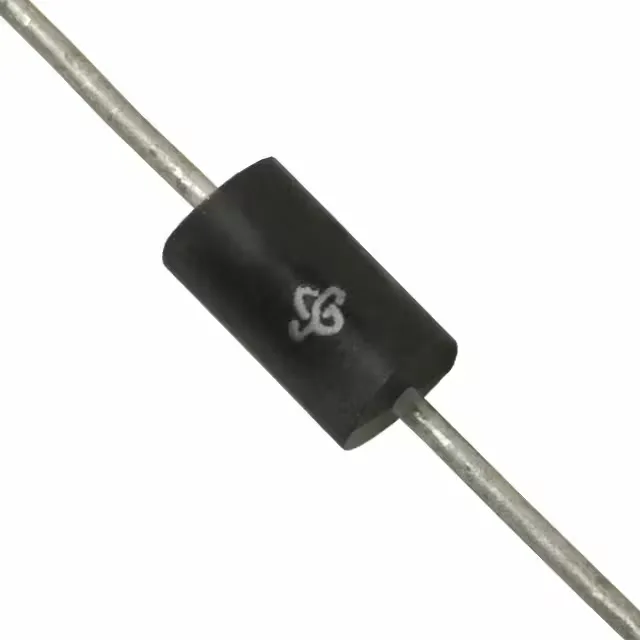
Vishay General Semiconductor - Diodes Division 1.5KE68CA/54 — Circuit Protection

Vishay 1.5KE68CA/54 TransZorb TVS, 1500W, 92V Clamp

MPN1.5KE68CA/54
Obsolete

Vishay General Semiconductor - Diodes Division TransZorb® series, TVS Zener, bidirectional, 1.5KE68CA/54, 1500W peak pulse, DO-201AA axial, through hole.

Independent supplier — new & surplus stockAuthenticity-screened · ESD-safe packingListing updated Jul 2026

Specifications

1.5KE68CA/54 specifications
ParameterValue
TypeZener
SeriesTransZorb®
MountingThrough Hole
Voltage - breakdown64.6V
Voltage - clamping (Max) @ ipp92V
Voltage - reverse standoff58.1V
Current - peak pulse (10/1000μs)16.3A
Power - peak pulse1500W (1.5kW)
Power line protectionNo
Operating temperature-55°C~175°C(TJ)
PackageTape & Reel (TR)
ApplicationsGeneral Purpose
CaseDO-201AA, DO-27, Axial
Bidirectional channels1

Product details

1500 W bidirectional TVS for general-purpose rail clamping

The 1.5KE68CA/54: It clamps transients at 92 V maximum while carrying 16.3 A peak pulse current, making it a fit for protecting 48 V to 60 V DC rails in industrial and telecom gear.

Clamping window and temperature range

Reverse standoff voltage is 58.1 V; breakdown occurs at a minimum of 64.6 V. The 92 V clamp ceiling means a 60 V bus sees the transient clipped before it reaches the downstream regulator's abs-max input.

Sourcing an obsolete part

Vishay lists this part as obsolete. Sourcing is through independent distribution — quantity and pricing confirmed at RFQ against the BOM line.

Frequently asked questions

How can I order the 1.5KE68CA/54 or check availability?

The 1.5KE68CA/54 is obsolete per Vishay. We source it through independent distribution; submit an RFQ for current availability and pricing on your target quantity.

What does the 92 V clamping voltage mean for my 48 V rail?

The 92 V clamp at 16.3 A peak pulse means the TVS holds the transient below the typical 100 V abs-max of downstream 48 V-rated DC-DC converters, protecting the input stage from overvoltage during surge events.