What the 1500W rating means for the board
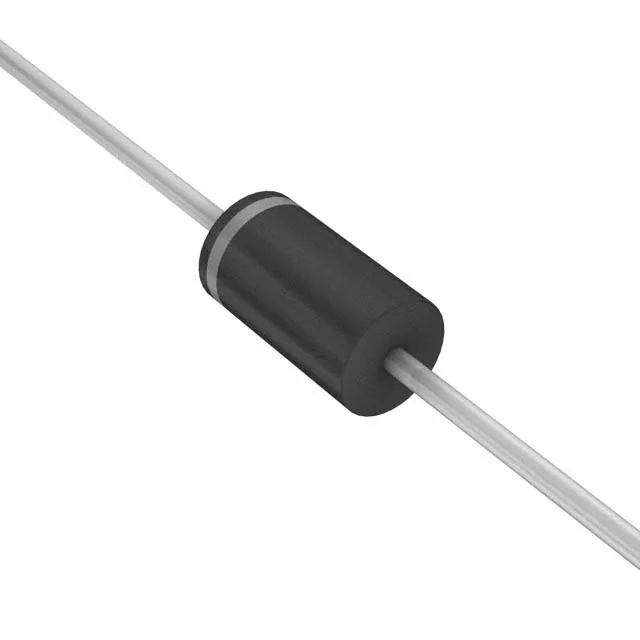
The 1.5KE68C-E3/54: For a 24 VDC rail with a 55.1 V standoff, it stays dark until the transient exceeds that threshold; once triggered, it clamps at 98 V maximum and shunts up to 15.3 A of peak pulse current. The wide -55 to +175 °C junction range means it handles the thermal shock of a lightning surge on an outdoor telecom line or the repetitive stress of an inductive load dump in an industrial cabinet. The DO-201AA axial package is through-hole — the leads carry the surge current into the board and the body dissipates the pulse heat into the surrounding copper. On a rework bench, the axial body is straightforward to extract and replace with a hot-air station or soldering iron; the cathode band (or lack thereof on a bidirectional part) is the only orientation mark, so confirm the marking before stuffing the board.
Lifecycle reality — obsolete, not gone
Vishay lists this part as Obsolete. That means the factory has stopped production and there is no last-time-buy window remaining — the only channel is surplus and independent distribution. No official successor is recorded. If the BOM calls for a 1.5KE68C bidirectional in a DO-201 package, the functional replacement is a parametric match from the same TransZorb family — same 1500 W rating, same 55.1 V standoff, same 98 V clamp — but the exact order code and date code lot will vary. A board spin is not required; the footprint and electrical performance are identical.
Sourcing and compliance
The base product number is 1.5KE68; the C suffix indicates a bidirectional breakdown voltage tolerance of ±5% around the 61.2 V minimum breakdown point. Power line protection is not supported — this is a general-purpose transient suppressor, not a mains-rated device.