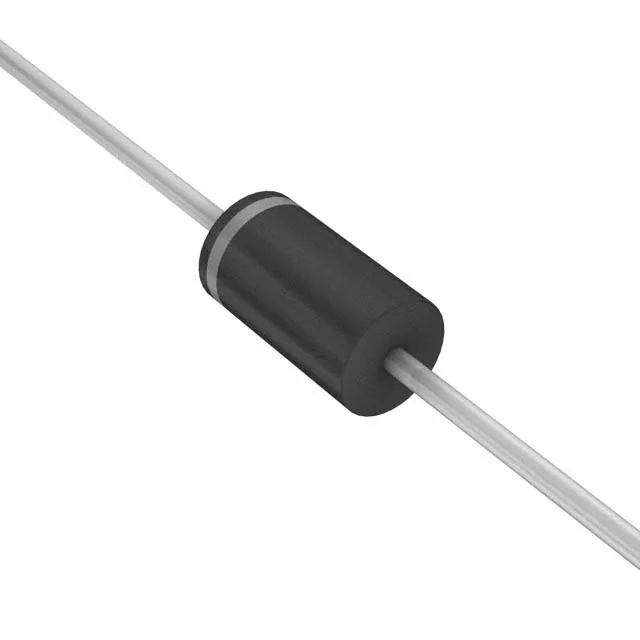
Vishay General Semiconductor - Diodes Division 1.5KE62HE3/73 — Circuit Protection

Vishay 1.5KE62HE3/73 TransZorb TVS, 1500W, 50.2V Standoff

MPN1.5KE62HE3/73
Obsolete

Vishay General Semiconductor - Diodes Division, Automotive AEC-Q101 TransZorb® Zener TVS diode, 1.5KE62HE3/73, 1500W peak pulse power, 50.2V reverse standoff, 89V clamping, DO-201AA axial through-hole.

Independent supplier — new & surplus stockAuthenticity-screened · ESD-safe packingListing updated Jul 2026

Specifications

1.5KE62HE3/73 specifications
ParameterValue
TypeZener
SeriesAutomotive, AEC-Q101, TransZorb®
MountingThrough Hole
Voltage - breakdown55.8V
Voltage - clamping (Max) @ ipp89V
Voltage - reverse standoff50.2V
Current - peak pulse (10/1000μs)16.9A
Power - peak pulse1500W (1.5kW)
Power line protectionNo
Operating temperature-55°C~175°C(TJ)
PackageTape & Box (TB)
ApplicationsAutomotive
CaseDO-201AA, DO-27, Axial
Unidirectional channels1

Product details

1500W surge clamp for 48V automotive rails

The 1.5KE62HE3/73: It clamps transients on 48V nominal rails — the 50.2V reverse standoff sits below the bus voltage, while the 55.8V minimum breakdown triggers before the silicon hits avalanche.

Through-hole axial package — bake before reflow

The DO-201AA / DO-27 axial leaded body is a standard through-hole footprint. The 1.5KE package suffix in the supplier device code matches the JEDEC outline — lead spacing and body diameter are consistent across the 1.5KE family, so a single PCB footprint serves the whole voltage range from 6.8V to 440V standoff.

Obsolete — last-time-buy channel only

Vishay has marked the 1.5KE62HE3/73 as obsolete. No official successor order code is listed.

Frequently asked questions

Where can I buy the 1.5KE62HE3/73?

The 1.5KE62HE3/73 is obsolete from Vishay. Submit a request with your target quantity and we will check the surplus channel.

Is the 1.5KE62HE3/73 AEC-Q101 qualified?

Yes, the series is listed as Automotive, AEC-Q101, TransZorb®. This means it meets the automotive-grade qualification for discrete semiconductors, including the -55°C to +175°C temperature range and the reliability stress tests required for under-hood deployment.