Last Buy — what it means for your BOM
The 1.5KE22CA-E3/51: Vishay has marked the 1.5KE22CA-/51 as Last Buy — the manufacturer is winding down production. For an existing design, this is the window to secure lifetime-buy inventory or qualify a replacement.
Clamping performance for an 18.8V rail
This bidirectional TVS clamps at 30.6V maximum with a 49A peak pulse current (10/1000µs waveform). The reverse standoff voltage is 18.8V — it sits across a nominal 18V or 24V DC rail and stays out of conduction until a surge pushes the line above 20.9V (minimum breakdown). At that point it shunts the energy to ground, holding the rail below 30.6V. The 1500W peak pulse rating tells you the energy-handling capacity for a single transient; for repetitive events, derate per the pulse derating curve in the datasheet.
Package and repair-bench fit
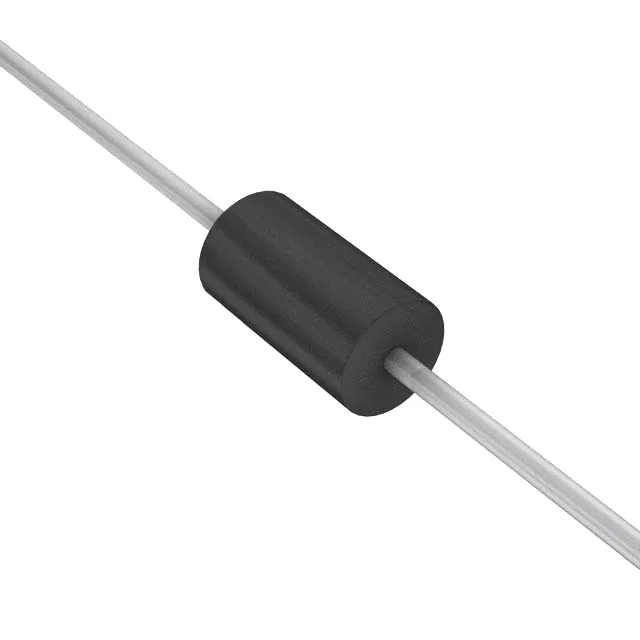
DO-201AA / DO-27 axial-lead through-hole package — the same footprint as the classic 1.5KE series. On a repair bench, the scorch mark tells you which part died; this package is hand-solderable with standard iron and wick. The -55°C to 175°C operating range covers engine-bay or industrial enclosure temperatures without derating the leakage current.