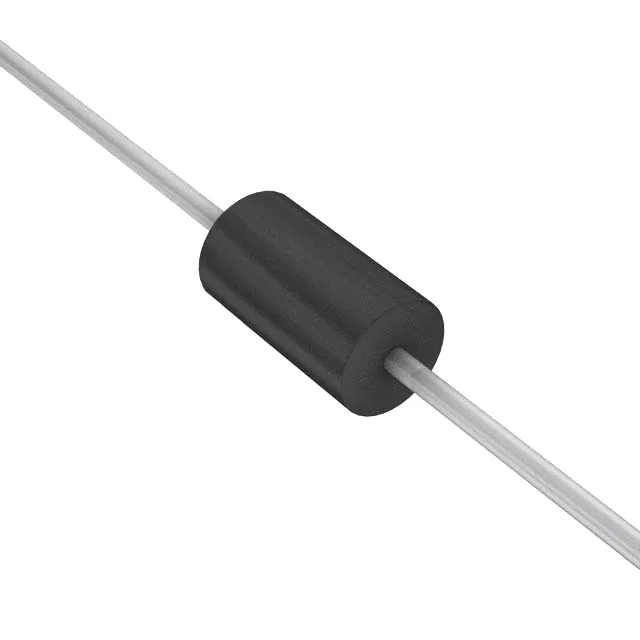
Vishay General Semiconductor - Diodes Division 1.5KE160CA-E3/51 — Circuit Protection

Vishay 1.5KE160CA-E3/51 TransZorb TVS, 1500W, 136V Standoff

MPN1.5KE160CA-E3/51
Last Buy

Vishay General Semiconductor - Diodes Division TransZorb® TVS diode, bidirectional, 1.5KE160CA-/51, 1500W peak pulse, 136V standoff, 219V clamp, DO-201AA axial, Bulk.

Sourced new & surplus through independent channelsAuthenticity-screened · ESD-safe packingListing updated Jul 2026

Specifications

1.5KE160CA-E3/51 specifications
ParameterValue
TypeZener
SeriesTransZorb®
MountingThrough Hole
Voltage - breakdown152V
Voltage - clamping (Max) @ ipp219V
Voltage - reverse standoff136V
Current - peak pulse (10/1000μs)6.8A
Power - peak pulse1500W (1.5kW)
Power line protectionNo
Operating temperature-55°C~175°C(TJ)
PackageBulk
ApplicationsGeneral Purpose
CaseDO-201AA, DO-27, Axial
Bidirectional channels1

Product details

1500 W bidirectional TVS — last-buy sourcing reality

The 1.5KE160CA-E3/51: It clamps at 219 V max and has a reverse standoff voltage of 136 V, so it protects 120–130 V DC rails from transients without conducting during normal operation. The breakdown voltage range starts at 152 V minimum, meaning the diode begins to avalanche before the clamping voltage is reached.

Last-buy status — what it means for your BOM

Vishay has marked the 1.5KE160CA-/51 as Last Buy. This is not an active-production part for new designs — it is in the end-of-life wind-down. The TransZorb series has a broad portfolio, and a pin-compatible bidirectional 1500 W TVS with the same standoff voltage is the natural cross-reference candidate. For existing BOM lines already qualified to this order code, the Last Buy window is the time to secure final-lot inventory or to validate a drop-in replacement.

Frequently asked questions

What is the closest pin-compatible alternative to the 1.5KE160CA-/51?

The TransZorb family includes many bidirectional 1500 W TVS diodes in the same DO-201AA package. A pin-compatible part with the same 136 V standoff voltage is the natural cross-reference — confirm the breakdown and clamping specifications match your application before substituting.