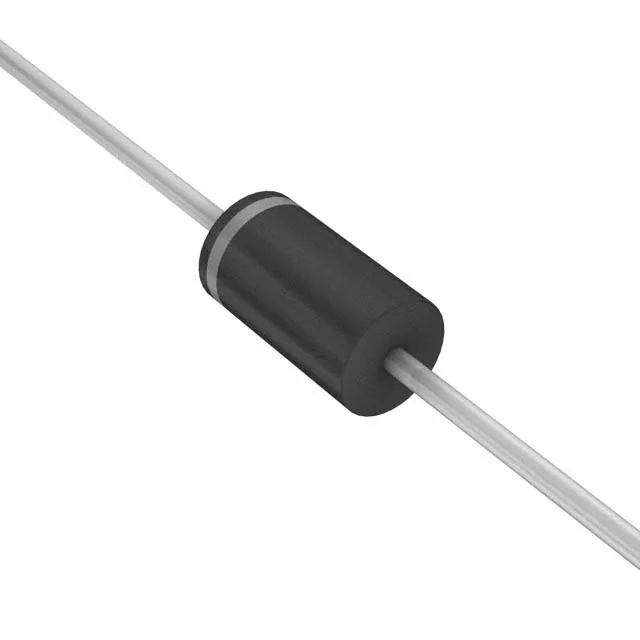
Vishay General Semiconductor - Diodes Division 1.5KE13C-E3/73 — Circuit Protection

Vishay 1.5KE13C-E3/73 TransZorb TVS, 1500W, 10.5V Standoff

MPN1.5KE13C-E3/73
Obsolete

Vishay General Semiconductor - Diodes Division TransZorb® series, Zener TVS diode, bidirectional, 1.5KE13C-/73, 1500W peak pulse, 10.5V reverse standoff, DO-201AA axial, through hole.

Sourced new & surplus through independent channelsAuthenticity-screened · ESD-safe packingListing updated Jul 2026

Specifications

1.5KE13C-E3/73 specifications
ParameterValue
TypeZener
SeriesTransZorb®
MountingThrough Hole
Voltage - breakdown11.7V
Voltage - clamping (Max) @ ipp19V
Voltage - reverse standoff10.5V
Current - peak pulse (10/1000μs)78.9A
Power - peak pulse1500W (1.5kW)
Power line protectionNo
Operating temperature-55°C~175°C(TJ)
PackageTape & Box (TB)
ApplicationsGeneral Purpose
CaseDO-201AA, DO-27, Axial
Bidirectional channels1

Product details

1500 W peak pulse in a DO-201AA axial package

The 1.5KE13C-E3/73: The 19 V clamping voltage means a 12 V rail sees a hard clamp before the downstream DC-DC or load switch sees damaging overvoltage — the 10.5 V standoff keeps it out of conduction during normal operation.

Through-hole fit and temperature range

Housed in a DO-201AA (DO-27) axial leaded package, the 1.5KE13C-/73 is a through-hole part — the leads insert into plated through-holes on the PCB and are wave-soldered. The single bidirectional channel protects a single signal or power rail against both positive and negative transients, eliminating the need for two unidirectional devices in anti-series.

Obsolete — sourcing through independent channels

Vishay lists the 1.5KE13C-/73 as Obsolete. The 1500 W peak pulse rating and bidirectional configuration are the fit criteria to confirm against the original design.

Frequently asked questions

Where can I buy the 1.5KE13C-/73?

The 1.5KE13C-/73 is obsolete from Vishay.

Is the 1.5KE13C-/73 a bidirectional or unidirectional TVS?

It is a single-channel bidirectional Zener TVS, clamping both positive and negative transients on a single rail.