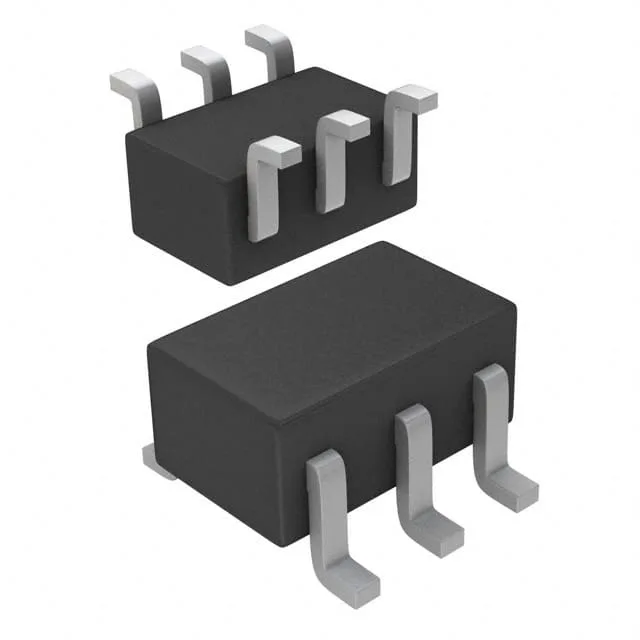
Toshiba Semiconductor RN1908(T5L,F,T) — Memory (DRAM / SRAM / Flash / EEPROM)

RN1908(T5L,F,T) Dual Pre-Biased NPN Transistor, 250 MHz

MPNRN1908(T5L,F,T)
End of Life

Toshiba RN1908(T5L,F,T) dual NPN pre-biased transistor, 50 V Vce, 100 mA Ic, 250 MHz fT, 200 mW, 6-TSSOP/SC-88/SOT-363 package, surface mount.

$0.35Ref. price · indicative, final on quote
Packaging6-TSSOP, SC-88, SOT-363
RoHSRoHS Compliant
Sourced new & surplus through independent channelsAuthenticity-screened · ESD-safe packingListing updated Aug 2026

Specifications

RN1908(T5L,F,T) specifications
ParameterValue
MountingSurface Mount
FET type2 NPN - Pre-Biased (Dual)
Voltage - collector emitter breakdown50V
Current - collector (Ic)100mA
Current - collector cutoff100nA (ICBO)
DC current gain (hFE) (Min) @ ic, vce80 @ 10mA, 5V
Power - max200mW
Frequency250MHz
PackageTape & Reel (TR); Cut Tape (CT)
Case6-TSSOP, SC-88, SOT-363
Resistor - base (R1)22kOhms
Resistor - emitter base (R2)47kOhms
Vce saturation (Max) @ ib, ic300mV @ 250µA, 5mA

Product details

Two pre-biased NPNs in one tiny package

The Toshiba RN1908(T5L,F,T) packs two NPN pre-biased transistors into a 6-pin SOT-363 package (also known as SC-88 or US6). The 250 MHz transition frequency means it handles switching and small-signal amplification well into the low-VHF range, not just on/off relay driving.

The 200 mW total power limit across both transistors means you need to keep the junction cool — in a dense board with no airflow, stay well below 50 mA per side if both are on continuously. The 300 mV saturation voltage at 5 mA collector current and 250 µA base drive is typical for a pre-biased part; if you need lower headroom, a non-biased transistor with a tighter base resistor network might be a better fit.

Frequently asked questions

Is RN1908(T5L,F,T) RoHS compliant?

Yes, the RN1908(T5L,F,T) is RoHS compliant.

Can I hand-solder the RN1908(T5L,F,T)?

The SOT-363 (SC-88) package is small but hand-solderable with a fine-tipped iron and some patience. The 6-pin footprint is about 2 mm × 2.1 mm, so a magnifier or microscope helps. No breakout board is common for this part, but the pin pitch is 0.65 mm — manageable for a weekend project if you're careful.