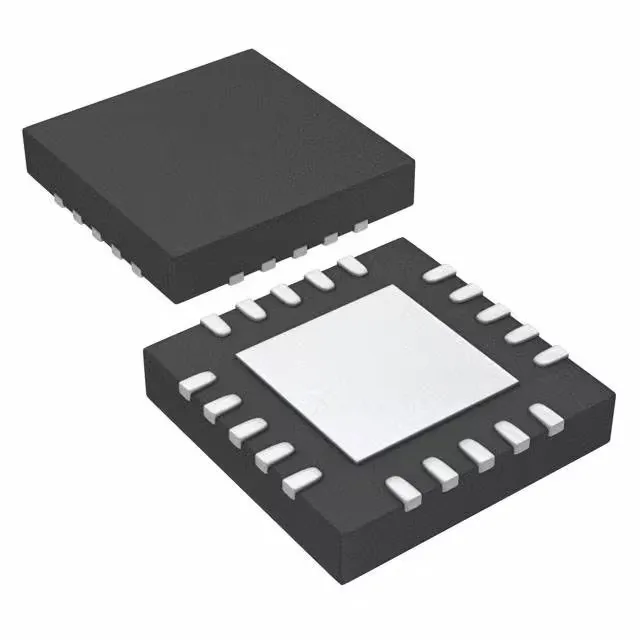
Texas Instruments UCD7230ARGWT — Analog & Data Acquisition

UCD7230ARGWT Buck Controller, 200kHz-2MHz, 20-VQFN

MPNUCD7230ARGWT
End of Life

Texas Instruments UCD7230ARGWT, Step-Down Buck Controller, Transistor Driver Output, 1 Output, 200kHz ~ 2MHz, 4.75V ~ 15.5V Supply, 20-VQFN Exposed Pad, -40°C ~ 125°C.

$2.29Ref. price · indicative, final on quote
Packaging20-VQFN Exposed Pad
RoHSROHS3 Compliant
Independent supplier — new & surplus stockAuthenticity-screened · ESD-safe packingListing updated Aug 2026

Specifications

UCD7230ARGWT specifications
ParameterValue
Output typeTransistor Driver
MountingSurface Mount
Voltage - supply (Vcc (Vdd))4.75V ~ 15.5V
Frequency - switching200kHz ~ 2MHz
I/O channels1
Output phases1
Operating temperature-40°C ~ 125°C (TJ)
PackageTape & Reel (TR); Cut Tape (CT)
FunctionStep-Down
TopologyBuck
Clock syncNo
Case20-VQFN Exposed Pad
Control featuresCurrent Limit, Enable
Output configurationPositive
Synchronous rectifierYes

Product details

Buck controller for point-of-load rails

The Texas Instruments UCD7230ARGWT is a single-phase step-down buck controller delivering a transistor-driver output. It operates from a 4.75 V to 15.5 V supply rail and switches between 200 kHz and 2 MHz, letting you balance inductor size against switching losses. The synchronous rectifier driver improves efficiency at higher output currents compared to a diode-rectified buck. Control features include current limiting and an enable pin for sequencing.

The 200 kHz to 2 MHz switching range gives you room to shrink magnetics at the high end or reduce switching losses at the low end. A 2 MHz design lets you use a smaller inductor and fewer output capacitors, saving board area in a compact power module. At 200 kHz you get better efficiency and lower EMI, at the cost of larger passives. The controller does not offer clock synchronization, so plan for beat-frequency management if multiple converters share a board.

Frequently asked questions

What is the switching frequency range of UCD7230ARGWT?

The controller switches from 200 kHz to 2 MHz, allowing trade-offs between inductor size and efficiency. No clock synchronization is available.

Does UCD7230ARGWT have a synchronous rectifier?

Yes, the controller includes a synchronous rectifier driver, improving efficiency at higher output currents compared to a diode-rectified buck.