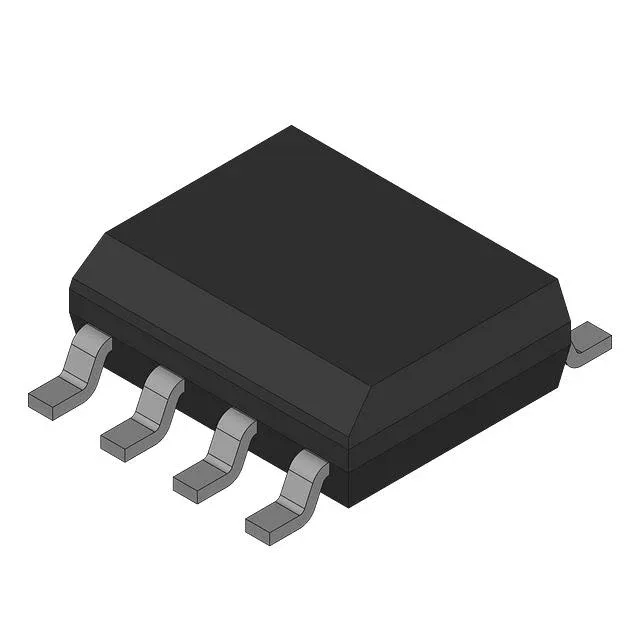
Texas Instruments UCC3805DTR/81222 — Analog & Data Acquisition

UCC3805DTR/81222 Switching Voltage Regulator, Active

MPNUCC3805DTR/81222
End of Life

Texas Instruments UCC3805DTR/81222, analog switching voltage regulator, Bulk package, active lifecycle.

$1.47Ref. price · indicative, final on quote
StockContact for availability
MOQ1 pcs
  • 100% new & originalTraceable channels only — no refurbs, no pulls, no remarked parts.
  • Date & lot codes on quoteStated per line before you commit; label photos on request.
  • MSL-compliant ESD packingMoisture-sealed bags with indicator cards; reels photo-verified.
  • PayPal buyer protectionPay by T/T, PayPal or Payoneer — card payments covered end to end.

Specifications

UCC3805DTR/81222 Technical Specifications
ParameterValue
Series*
PackageBulk

Product details

Switching regulator for non-isolated and flyback designs

The Texas Instruments UCC3805DTR/81222 is a current-mode PWM controller designed for switching power supplies. It operates as a voltage-mode or current-mode controller depending on external compensation, and is commonly used in flyback, boost, and forward converter topologies. The part is classified as an analog switching voltage regulator and is for low-to-medium volume assembly lines.

Active lifecycle — no obsolescence watch needed

For a BOM line this means no last-time-buy planning or substitute qualification is required at this time.

Frequently asked questions

What are the specifications of UCC3805DTR/81222?

The UCC3805DTR/81222 is an analog switching voltage regulator from Texas Instruments. It is a current-mode PWM controller suited for flyback, boost, and forward converter topologies. The part is supplied in Bulk packaging.

Are there any equivalent or replacement parts for UCC3805DTR/81222?

The UCC2806DWTR is a dual-output PWM with 50% duty cycle and synchronous rectifier support, but it is not a pin-compatible replacement — board-level validation is needed. The LM5150QURUMRQ1 is an automotive-grade boost controller with AEC-Q100 qualification and higher switching frequency, but it is boost-only and lacks synchronous rectification.