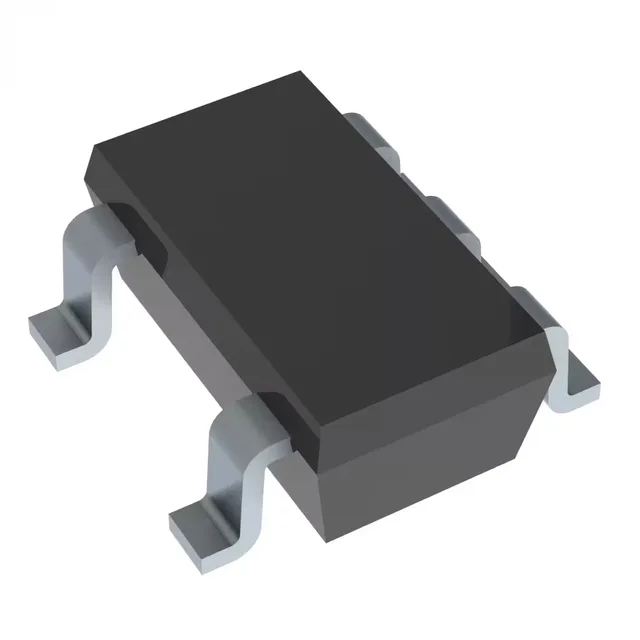
Texas Instruments UCC27519DBVR — Power Management (PMIC / Gate Driver)

UCC27519DBVR Low-Side Gate Driver, 4A Peak, SOT-23-5

MPNUCC27519DBVR
Active

Texas Instruments UCC27519DBVR, single low-side gate driver, 4A peak source/sink, 8ns rise/7ns fall typ, 4.5V-18V supply, SOT-23-5, -40°C to 140°C junction.

$0.4065Ref. price · indicative, final on quote
Independent supplier — new & surplus stockAuthenticity-screened · ESD-safe packingListing updated Jul 2026

Specifications

UCC27519DBVR specifications
ParameterValue
Gate typeIGBT, N-Channel MOSFET
Input typeNon-Inverting
Channel typeSingle
MountingSurface Mount
Supply voltage4.5V ~ 18V
Current - peak output (Source, sink)4A, 4A
Operating temperature-40°C~140°C(TJ)
PackageTape & Reel (TR); Cut Tape (CT)
CaseSC-74A, SOT-753
Number of drivers1
Driven configurationLow-Side
Rise (Fall time)8ns, 7ns

Product details

4A peak drive in a SOT-23-5 — what it buys you

The UCC27519DBVR: It drives both N-channel MOSFETs and IGBTs from a 4.5V to 18V supply rail.

Supply rail and temperature — where it lives on the board

The 4.5V to 18V supply range covers 5V logic-driven bootstrap circuits and 12V or 15V gate drive rails common in industrial power supplies and motor drives. The -40°C to 140°C junction temperature rating gives margin above the 125°C industrial ceiling, useful when the driver sits near a hot heatsink or inside a sealed enclosure. It comes in a SOT-23-5 package — five pins, surface-mount. The small footprint keeps the gate loop tight, but the thermal path is through the leads; the 140°C junction limit accounts for self-heating at 4A peak into a heavy capacitive load.

For production programs that need a single-channel low-side driver in a small package, this part is a standard-shelf item through the distribution channel.

Frequently asked questions

Can UCC27519DBVR drive IGBTs?

Yes. The gate type is explicitly listed as IGBT and N-Channel MOSFET. The 4A peak sink current and 7ns typical fall time provide the hard turn-off that IGBT modules need to keep the tail current losses under control.