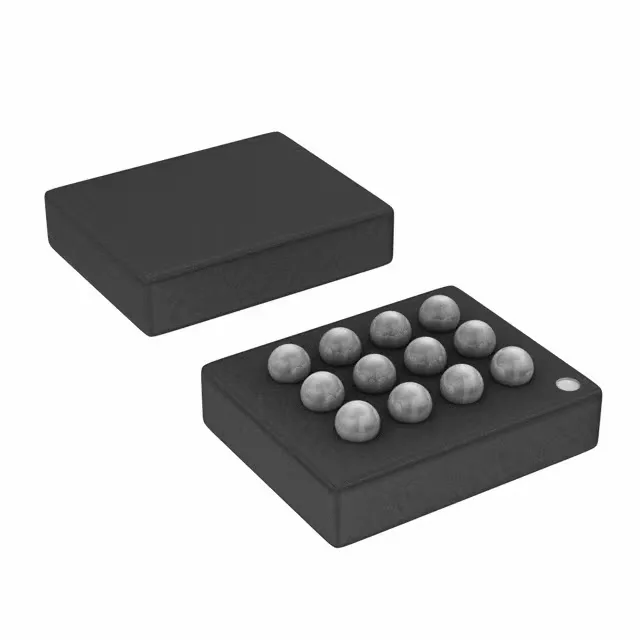
Texas Instruments TXS0104EZXUR — Interface & Transceivers

TXS0104EZXUR Voltage Level Translator, 24 Mbps, 12-BGA

MPNTXS0104EZXUR
Obsolete

Texas Instruments TXS0104EZXUR, 4-channel bidirectional voltage-level translator, 24 Mbps, auto-direction sensing, 1.65–3.6 V VCCA, 2.3–5.5 V VCCB, -40 to 85°C, 12-UFBGA.

$1.3500Ref. price · indicative, final on quote
Independent supplier — new & surplus stockAuthenticity-screened · ESD-safe packingListing updated Jul 2026

Specifications

TXS0104EZXUR specifications
ParameterValue
Output typeOpen Drain, Push-Pull
Channel typeBidirectional
MountingSurface Mount
Translator typeVoltage Level
Voltage - VCCA1.65 V ~ 3.6 V
Voltage - VCCB2.3 V ~ 5.5 V
Operating temperature-40°C~85°C(TA)
PackageTape & Reel (TR); Cut Tape (CT)
FeaturesAuto-Direction Sensing
Data rate24Mbps
Case12-UFBGA
Number of circuits1
Channels per circuit4

Product details

Four-channel level shifter with auto-direction sensing

The Texas Instruments TXS0104EZXUR is a 4-channel bidirectional voltage-level translator designed for mixed-voltage digital interfaces.

For new designs, TI recommends evaluating current-generation level translators in the TXS family.

The 24 Mbps data rate supports standard-speed SPI and I²C (fast mode plus) without timing margin issues, but it will not sustain high-speed SPI above 24 MHz or full-speed USB. Auto-direction sensing means the translator itself manages the direction based on the input signal — no firmware GPIO toggling or external direction latch needed.

Package and footprint notes for layout

The 12-UFBGA (BGA Microstar Junior, 2.5 x 2 mm) is a fine-pitch, 0.5 mm ball-pitch package. It requires a controlled impedance PCB with micro-vias or via-in-pad for routing the four signal channels plus supply and ground.

Frequently asked questions

What is the replacement for TXS0104EZXUR?

For new designs, evaluate current-generation TXS-family level translators.

Does TXS0104EZXUR require direction control?

No. The TXS0104EZXUR features auto-direction sensing, so it automatically determines the data direction on each channel without a direction-control pin. This simplifies layout and firmware compared to older level shifters that need a DIR signal.