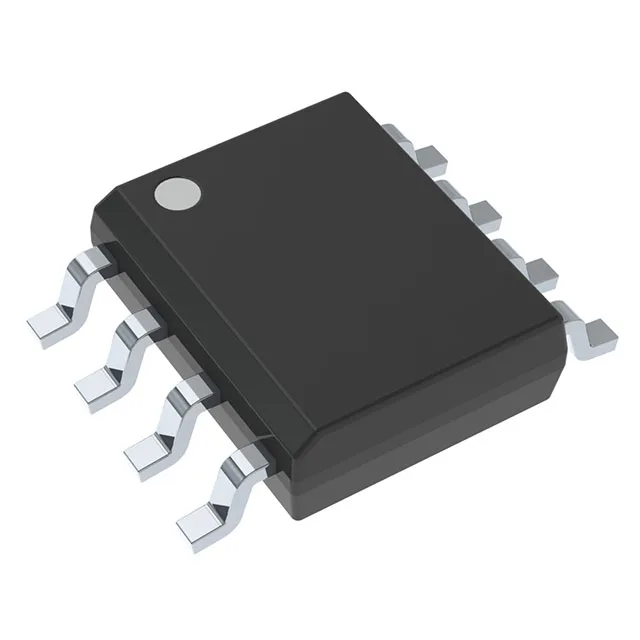
Texas Instruments TPS6735ID — Microcontrollers & Processors (MCU / MPU / DSP)

Texas Instruments TPS6735ID Buck Regulator, -5V Fixed, 200mA

MPNTPS6735ID
End of Life

Texas Instruments TPS6735ID inverting buck regulator, 4V to 6.2V input, fixed -5V output, 200mA, 160kHz, 8-SOIC (0.154", 3.90mm Width), Tube.

$7.09Ref. price · indicative, final on quote
Packaging8-SOIC (0.154", 3.90mm Width)
RoHSROHS3 Compliant
Independent supplier — new & surplus stockAuthenticity-screened · ESD-safe packingListing updated Aug 2026

Specifications

TPS6735ID specifications
ParameterValue
Output typeFixed
MountingSurface Mount
Voltage - input6.2V
Voltage - output (Min (Fixed))-5V
Output current200mA
Frequency - switching160kHz
I/O channels1
Operating temperature-40°C ~ 85°C (TA)
PackageTube
FunctionStep-Up, Step-Down
TopologyBuck
Case8-SOIC (0.154\", 3.90mm Width)
Output configurationNegative
Synchronous rectifierNo

Product details

Inverting buck for a -5V rail

The TPS6735ID is a fixed-output inverting buck regulator from Texas Instruments that delivers -5V at up to 200 mA from a positive input rail between 4 V and 6.2 V. It uses a buck topology with the output configured as a negative rail — the ground reference is the positive input, and the output sits 5 V below that. The 160 kHz switching frequency keeps the inductor and capacitor sizes modest for a board-level -5V supply. No synchronous rectifier is used, so the external Schottky diode selection matters for efficiency at the 200 mA ceiling.

Frequently asked questions

What is TPS6735ID used for?

It generates a -5V rail from a positive 4-6.2V input, typically to bias analog circuits (op-amp supplies, sensor front-ends, or LCD contrast) that need a clean negative voltage in an industrial temperature environment.

Will TPS6735ID drop into a board designed for LM2750LD-ADJ/NOPB without rewiring?

No — the LM2750 is a positive-output charge pump (adjustable, 1.7 MHz) in a different pinout and package. The TPS6735ID is an inverting buck with a fixed -5V output; the two are not pin-compatible or functionally interchangeable without a board spin.