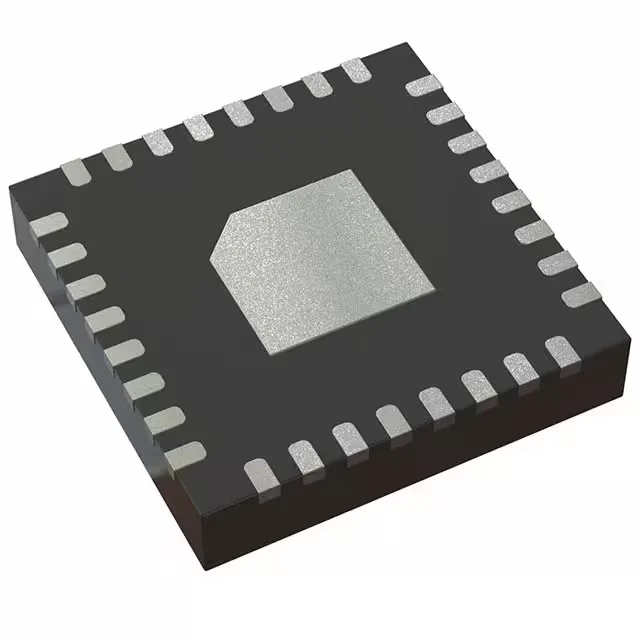
Texas Instruments TPS65266-1RHBR — Power Management (PMIC / Gate Driver)

TPS65266-1RHBR Triple Buck Regulator, 3A/2A/2A, 32-VQFN

MPNTPS65266-1RHBR
Active

Texas Instruments TPS65266-1RHBR, triple synchronous step-down buck regulator, adjustable output, 3A/2A/2A, 2.7V–6.5V input, 250kHz–2.4MHz switching, 32-VQFN (5x5 mm), -40°C to 125°C junction temperature.

$2.1060Ref. price · indicative, final on quote
Independent supplier — new & surplus stockAuthenticity-screened · ESD-safe packingListing updated Jul 2026

Specifications

TPS65266-1RHBR specifications
ParameterValue
Output typeAdjustable
MountingSurface Mount
Voltage - input6.5V
Voltage - output6V
Voltage - output (Min (Fixed))2.7V
Output current3A, 2A, 2A
Frequency - switching250kHz ~ 2.4MHz
I/O channels3
Operating temperature-40°C~125°C(TJ)
PackageTape & Reel (TR); Cut Tape (CT)
FunctionStep-Down
TopologyBuck
Case32-VFQFN Exposed Pad
Output configurationPositive
Synchronous rectifierYes

Product details

Triple-output buck: 3 A + 2 A + 2 A for multi-rail systems

The adjustable output voltage range spans from 2.7 V up to 6 V, and the switching frequency is programmable between 250 kHz and 2.4 MHz.

Current budget per rail — sizing the output stage

The 3 A channel on output 1 and the 2 A channels on outputs 2 and 3 set the per-rail load budget. Each channel uses its own inductor and output capacitor pair; the total combined output current is 7 A, but thermal derating in the 32-VQFN (5x5 mm) package at 125°C junction will reduce that ceiling.

Switching frequency: trade-off between efficiency and inductor size

The 250 kHz to 2.4 MHz programmable range lets the designer choose a lower frequency for higher efficiency (larger inductor) or a higher frequency for a smaller inductor footprint. At 2.4 MHz the switching losses dominate, so the 3 A channel will see a measurable efficiency drop versus running at 500 kHz.

Frequently asked questions

What is the switching frequency range of TPS65266-1RHBR?

The switching frequency is programmable from 250 kHz up to 2.4 MHz via an external resistor. The selected frequency sets the trade-off between efficiency and inductor size.