Texas Instruments TPS65218B101PHPT — Power Management (PMIC / Gate Driver)

TPS65218B101PHPT PMIC, 7-output, 2.2V–5.5V, NRND

MPNTPS65218B101PHPT
NRND

Texas Instruments TPS65218B101PHPT, Power Management IC (PMIC), 7 outputs, 2.2V–5.5V input, 48-PowerTQFP, -40°C–105°C.

$8.0400Ref. price · indicative, final on quote
Independent supplier — new & surplus stockAuthenticity-screened · ESD-safe packingListing updated Jul 2026

Specifications

TPS65218B101PHPT specifications
ParameterValue
MountingSurface Mount
Voltage - input2.2V ~ 5.5V
Voltage - outputMultiple
I/O channels7
Operating temperature-40°C~105°C
PackageTape & Reel (TR); Cut Tape (CT)
ApplicationsARM® Cortex™ -A8/A9 SOCs, FPGA
Case48-PowerTQFP

Product details

PMIC companion for Cortex-A8/A9 SoCs and FPGAs

The Texas Instruments TPS65218B101PHPT is a power-management IC (PMIC) designed as a companion supply for ARM Cortex-A8/A9 SoCs and FPGAs. It integrates seven output rails from a single 2.2V to 5.5V input, covering the core, I/O, memory, and auxiliary voltages these processors need.

Seven-rail output and thermal envelope

With seven independent outputs, the TPS65218B101PHPT sequences and regulates the multiple supply domains typical of a Cortex-A8 or A9 system — core, DDR, PLL, and I/O — from a single input source.

This means TI is not actively promoting this variant for new projects, and the part is on a path toward end-of-life. Existing production lines should plan for a last-time-buy or a validated drop-in replacement.

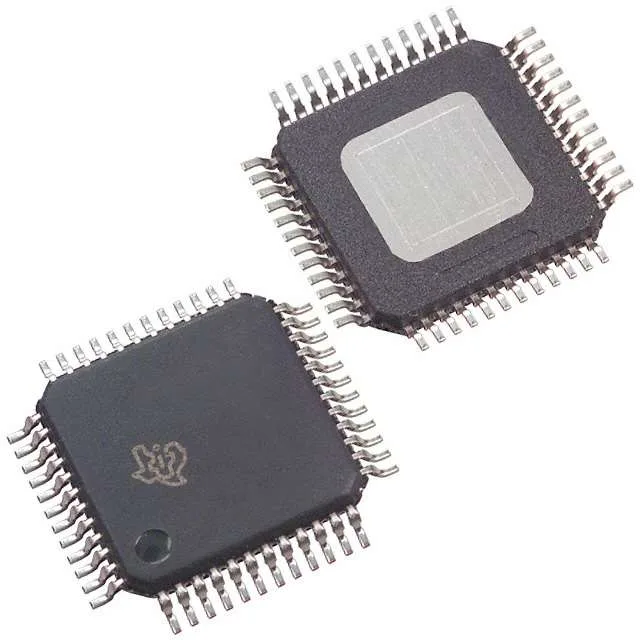
48-PowerTQFP package and footprint

The 0.5 mm pitch demands careful fan-out on a 4-layer board for the seven output rails and their associated passives.

Frequently asked questions

Is TPS65218B101PHPT obsolete or NRND?

It is not yet obsolete, but it is on a phase-out trajectory and not intended for new design-ins.

What is the recommended replacement for TPS65218B101PHPT?

For a pin-compatible alternative, review the TPS65218 family base number (TPS65218) — other suffix variants may share the same footprint and output configuration, but verify the sequencing and voltage settings against your BOM.