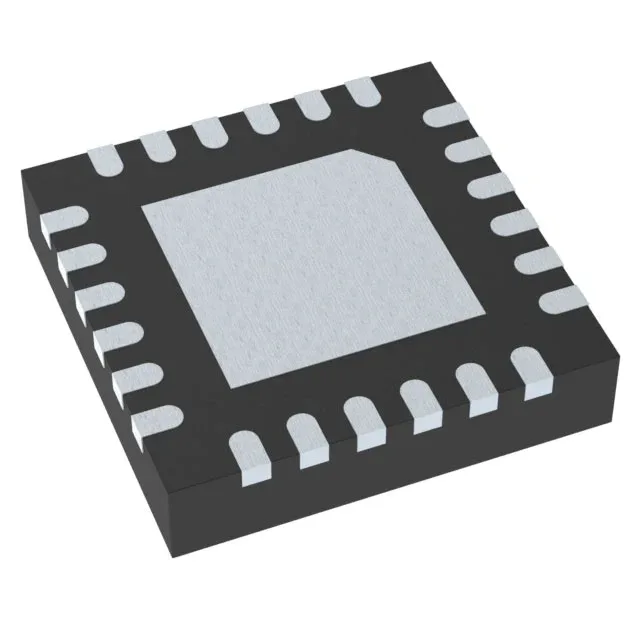
Texas Instruments TPS65110RGERG4 — Power Management (PMIC / Gate Driver)

TPS65110RGERG4 Triple-Output DC/DC for LTPS LCD, Obsolete

MPNTPS65110RGERG4
Obsolete

Texas Instruments TPS65110RGERG4 triple-output charge pump for LTPS LCD, 2.4V-5.5V input, -2.7V/3.3V/7.5V outputs, 24-VFQFN exposed pad, -40°C to 85°C.

$1.7300Ref. price · indicative, final on quote
Independent supplier — new & surplus stockAuthenticity-screened · ESD-safe packingListing updated Jul 2026

Specifications

TPS65110RGERG4 specifications
ParameterValue
MountingSurface Mount
Voltage - input2.4V ~ 5.5V
Voltage - output-2.7V, 3.3V, 7.5V
I/O channels3
Operating temperature-40°C~85°C
PackageTape & Reel (TR)
ApplicationsCharge Pump, LTPS LCD
Case24-VFQFN Exposed Pad

Product details

Triple-rail charge pump for LTPS LCD bias

The Texas Instruments TPS65110RGERG4 is a triple-output charge pump designed specifically for LTPS LCD panel bias sequencing. It delivers three regulated rails from a single 2.4V to 5.5V input: -2.7V, 3.3V, and 7.5V. The three outputs cover the gate-on, gate-off, and source-driver supply voltages needed by low-temperature polysilicon LCDs. The 3.3V rail can also serve as a logic supply for the panel timing controller.

24-VFQFN exposed pad — rework profile matters

Rework on this package is straightforward with a hot-air station if the board has a solder-mask-defined pad. Pre-bake the board at 125°C for 4 hours if it has been exposed to humidity — the VQFN can trap moisture under the pad and pop during reflow.

Obsolete — no official successor listed

The TPS65110RGERG4 carries a lifecycle status of Obsolete per Texas Instruments.

Frequently asked questions

Is TPS65110RGERG4 obsolete?

Yes, Texas Instruments lists the TPS65110RGERG4 as Obsolete. No official successor or replacement part number is provided in the available documentation.

What are the output voltages of TPS65110RGERG4?

The three outputs are -2.7V, 3.3V, and 7.5V. These rails are intended for LTPS LCD gate-off, logic/source, and gate-on bias respectively.