4A programmable charge current for 2-3 cell Li-Ion stacks
The TPS65090ARVNR from Texas Instruments is a battery charger IC for 2 to 3 series Lithium-Ion or Lithium-Polymer cells, with a maximum charge current of 4A that is constant and programmable via the I²C interface. That 4A ceiling means a 3-cell, 3000 mAh pack charges at roughly 1.3C — fast enough for a power-tool or medical-device charge cycle without pushing the cell past its recommended rate, assuming the cell datasheet allows 1C or higher.
I²C interface — set current, termination, and monitor status
The I²C bus lets firmware set the charge current, termination voltage, and pre-charge thresholds, and read back fault flags and charge status — no external resistor dividers for current programming. For a system that already has an I²C bus (most MCU-based designs), this saves two GPIOs and a resistor network compared to a pin-strap charger.
17V max supply — input voltage range covers USB and adapter rails
With a maximum supply voltage of 17V, the TPS65090ARVNR accepts a 5V USB input for 2-cell charging, a 9V or 12V adapter for 3-cell charging, and has headroom for a 15V supply without an external pre-regulator.
100-VQFN dual-row exposed pad — thermal management for 4A
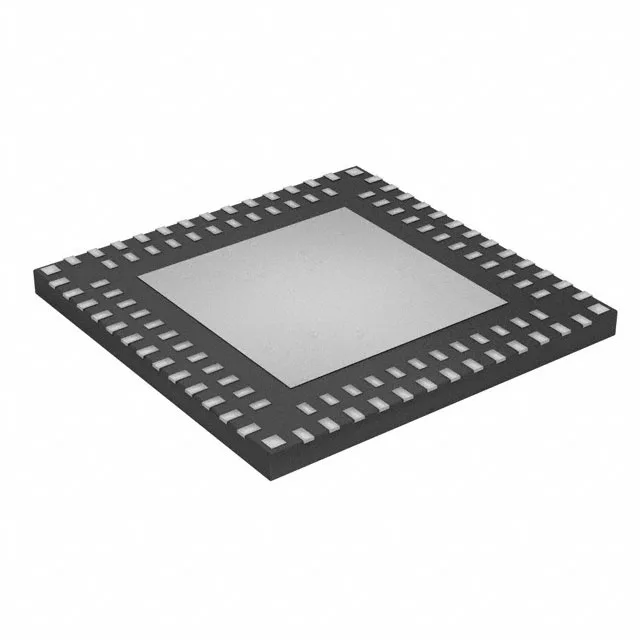
The 100-VQFN-MR (9x9 mm) dual-row package with exposed pad requires a thermal via array under the pad to the ground plane — without it the junction temperature at 4A charge current will exceed the 85°C operating limit in a warm enclosure. The supplier device package is 100-VQFN-MR (9x9) — the same footprint as other TPS65090 family members, so a board layout for the base number accepts this variant without a spin.
Active production — no lifecycle risk for new BOMs
ROHS3 compliant, no halogen or antimony declared; the part is green and meets current EU and China RoHS requirements without an exemption.