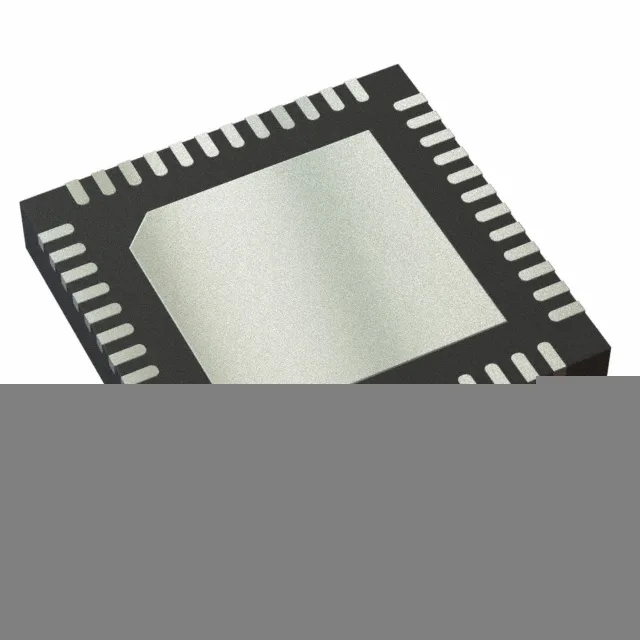
Texas Instruments TPS65033000RGERQ1 — Power Management (PMIC / Gate Driver)

TPS65033000RGERQ1 – Automotive PMIC, 4 Outputs, AEC-Q100

MPNTPS65033000RGERQ1
Active

Texas Instruments TPS65033000RGERQ1, Automotive Power Management IC, 4 outputs, 2.5V–5.5V and 4V–18.3V input, 24-VQFN (4x4), -40°C to 125°C, AEC-Q100 qualified.

$2.8200Ref. price · indicative, final on quote
Packaging24-VFQFN Exposed Pad
RoHSROHS3 Compliant
Independent supplier — new & surplus stockAuthenticity-screened · ESD-safe packingListing updated Aug 2026

Specifications

TPS65033000RGERQ1 specifications
ParameterValue
MountingSurface Mount
Voltage - input2.5V ~ 5.5V, 4V ~ 18.3V
Voltage - output0.9V ~ 1.9V, 1.8V ~ 3.3V, 2.5V ~ 4V
I/O channels4
Operating temperature-40°C ~ 125°C (TA)
GradeAutomotive
PackageTape & Reel (TR) Cut Tape (CT)
ApplicationsConverter, Digital Still Cameras
QualificationAEC-Q100
Case24-VFQFN Exposed Pad

Product details

Four-rail automotive PMIC in a 4x4 mm QFN

The TPS65033000RGERQ1 from Texas Instruments is an automotive-grade (AEC-Q100) power-management IC that integrates three step-down converters plus an additional output into a single 24-VQFN (4x4) package. It accepts two input rails — 2.5V–5.5V and 4V–18.3V — and delivers four regulated outputs covering 0.9V–1.9V, 1.8V–3.3V, and 2.5V–4V, making it a natural fit for powering the core, I/O, and analog sections of a digital still camera or automotive camera module.

What the dual input rails mean for your supply design

The lower input range (2.5V–5.5V) is typical for a pre-regulated 3.3V or 5V bus; the upper range (4V–18.3V) lets the PMIC connect directly to an automotive battery line or an unregulated 12V rail.

Active production and AEC-Q100 qualification

Frequently asked questions

What is the typical application for TPS65033000RGERQ1?

The device is listed for converter applications in digital still cameras, but its dual input ranges and four regulated outputs also suit automotive camera modules, ADAS sensor power, and any multi-rail system needing a compact, AEC-Q100 PMIC.