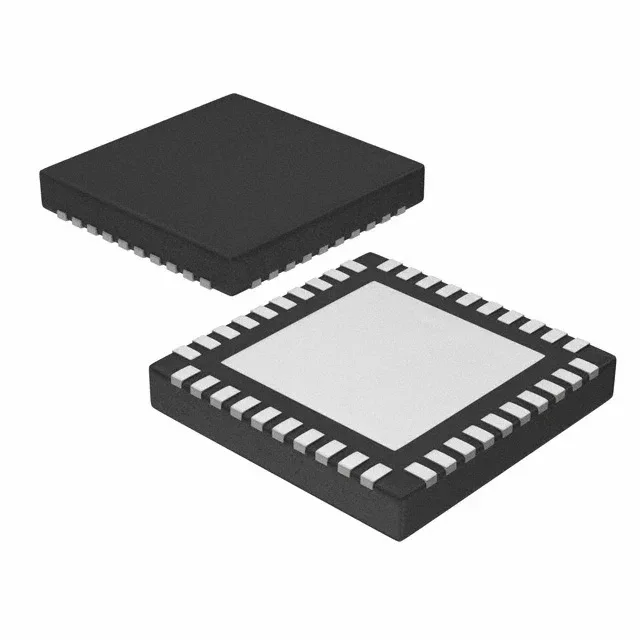
Texas Instruments TPS65020RHAT — Power Management (PMIC / Gate Driver)

TPS65020RHAT Power Management IC - Active, I²C, Li-Ion

MPNTPS65020RHAT
Active

Texas Instruments TPS65020RHAT, Power Management (PMIC / Gate Driver), Li-Ion/Polymer battery power management IC, I²C interface, 40-VFQFN Exposed Pad package, -40°C to 85°C operating range.

$9.8100Ref. price · indicative, final on quote
Packaging40-VFQFN Exposed Pad
RoHSROHS3 Compliant
Independent supplier — new & surplus stockAuthenticity-screened · ESD-safe packingListing updated Aug 2026

Specifications

TPS65020RHAT specifications
ParameterValue
MountingSurface Mount
InterfaceI²C
Operating temperature-40°C~85°C(TA)
PackageTape & Reel (TR); Cut Tape (CT)
FunctionPower Management
Case40-VFQFN Exposed Pad
Fault protectionOver Temperature, Under Voltage
Battery chemistryLithium Ion/Polymer

Product details

Active production — Li-Ion power manager with I²C

The 40-VQFN (6x6 mm) package with exposed pad pulls heat into the board plane — mind the thermal-via pattern under the pad during layout.

I²C interface and fault protection for system reliability

The I²C interface lets the host microcontroller adjust charging parameters, read status, and sequence power rails without extra GPIOs. That matters when you are squeezing a BOM into a 40-VQFN footprint and every pin counts. Built-in fault protection covers over-temperature and under-voltage lockout — two failure modes that kill Li-Ion packs if left unchecked. The under-voltage lockout prevents the battery from discharging into deep depletion, which is the kind of silent failure that sends a field-return unit back with a dead cell.

Available in Tape & Reel and Cut Tape formats, the packaging options cover both high-volume reflow and prototype or rework quantities.

Frequently asked questions

Is TPS65020RHAT compatible with 3.7V Li-ion batteries?

The TPS65020RHAT is designed for Lithium Ion/Polymer battery chemistry, which covers the 3.7V nominal cell voltage. The I²C interface allows the host to set the charge voltage and current to match the specific cell's requirements.