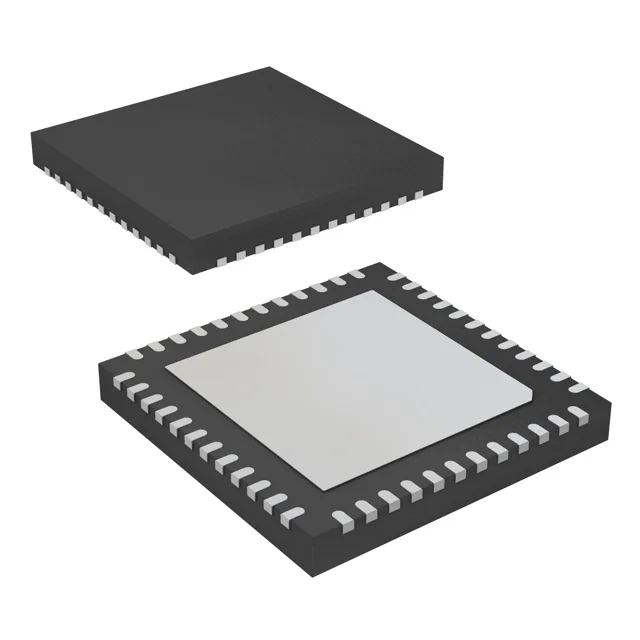
It integrates an I²C interface for charge parameter control and a USB interface for data/power path management, making it a fit for handheld devices, portable medical gear, and battery-backed industrial instruments where the host processor needs to monitor and adjust the charge profile.
Charge current and battery chemistry — what 500 mA and 4.2V mean for the BOM
The 500 mA maximum charge current sets the charge time floor for a given cell capacity — a 1000 mAh cell charges in roughly two hours at this rate, ignoring the constant-voltage taper. The 4.2V battery pack voltage is the standard termination for a single Li-Ion or Li-Polymer cell; the charger enters constant-voltage regulation at that threshold, so the downstream load must tolerate the full 4.2V rail without overvoltage damage. The programmable constant-current feature lets the host choose a lower charge rate via I²C, which matters when the input supply is limited or when charging at reduced current extends cell cycle life.
The over-temperature protection shuts down the charger if the die exceeds the safe threshold, which protects both the IC and the battery during a fault — a useful safeguard when the device is in an unventilated enclosure or near a heat source.