Buck-boost regulation for variable-input rails
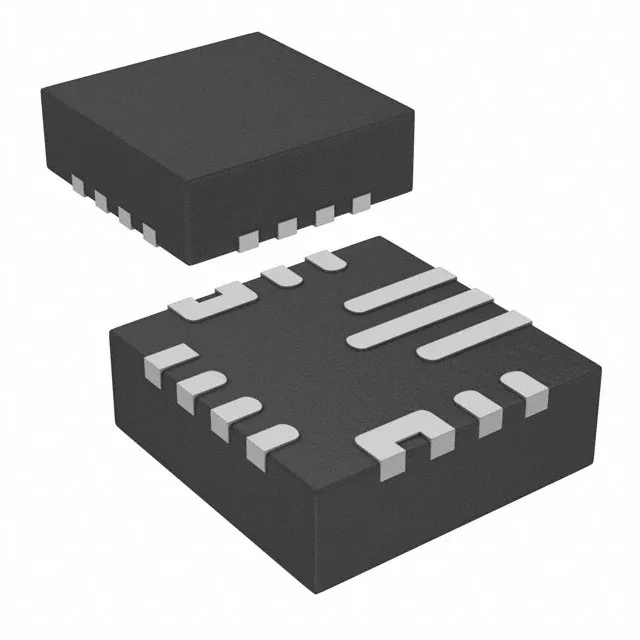
The TPS63070RNMR is a step-up/step-down (buck-boost) switching regulator from Texas Instruments, designed to maintain a regulated output when the input voltage swings above or below the target — a common requirement in battery-powered equipment, USB-C power delivery, and multi-cell Li-ion systems. Its adjustable output range from 2.5 V to 9 V covers 3.3 V and 5 V rails directly, with the 3.6 A switch current supporting loads up to about 3 A depending on the input-to-output delta. The 2.4 MHz switching frequency keeps the inductor and output capacitor small, which helps fit the design into space-constrained layouts — the 15-PowerVFQFN package measures 3 mm x 2.5 mm.
Sizing the output current at your input voltage
The 3.6 A switch current is the peak current through the internal FET — the actual output current depends on the input-to-output voltage ratio and the efficiency at the operating point. In a 5 V output from a 3.7 V Li-ion cell (boost mode), the output current is lower than the switch current; in buck mode from a 12 V rail, the output can approach the switch rating. The synchronous rectifier helps maintain efficiency across both modes. Compared to a pure buck converter like the LMR33630APCQRNXRQ1 (3 A, step-down only), the TPS63070RNMR adds the ability to regulate when the input drops below the output — the trade-off is slightly higher quiescent current and a larger inductor than a buck-only solution at the same output current.