TPS62933FDRLR
Texas Instruments
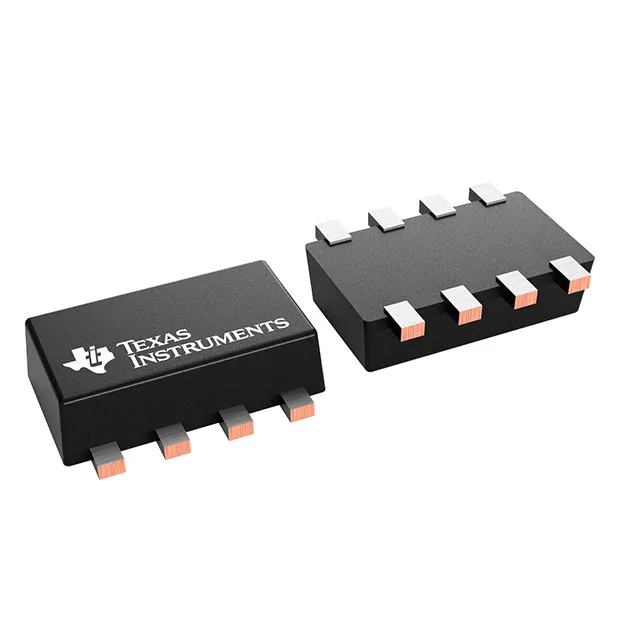
MOQ 1 · Tape & Reel (TR); Cut Tape (CT) · RoHS · EIA-481 · DAP/DDP · T/T
Technical specifications
| Parameter / Attribute | Specification / Value |
|---|---|
| Output type | Adjustable |
| Mounting | Surface Mount |
| Voltage - input | 3.8V |
| Voltage - output | 22V |
| Voltage - output (Min (Fixed)) | 0.8V |
| Output current | 3A |
| Frequency - switching | 200kHz ~ 2.2MHz |
| I/O channels | 1 |
| Operating temperature | -40°C~150°C(TJ) |
| Package | Tape & Reel (TR); Cut Tape (CT) |
| Function | Step-Down |
| Topology | Buck |
| Case | SOT-583 |
| Output configuration | Positive |
| Synchronous rectifier | Yes |
Need Stock or a Drop-in Second-Source for TPS62933FDRLR?
Package: SOT-23-THIN-6 (DDC) · Pin-compatible replacements with immediate Shenzhen spot stock
The TPS54302 is the modern tiny buck of industrial and consumer boards - 4.5V to 28V input, 3A output, SOT-23-THIN-6, with the EMI spread-spectrum and light-load pulse-skipping that certificate-bound designs lean on. Inside the TI family the substitution is easy and documented: the 2A/3A/4A members are pin-to-pin. Outside the family the SOT-23-6 outline is a siren call - dozens of parts from six-plus manufacturers share the body, and very few survive the four questions that separate a functional replacement from a BOM line that fails EMI retest or drops out under light load.
Verified Pin-Compatible Replacements (3 verified alternatives)
The 2A Member of the Same Ladder
Shenzhen Spot Stock (24-48h Dispatch)
Pin-to-pin sibling rated 2A instead of 3A, same 400kHz class fixed frequency, peak current mode and the same light-load architecture.
Same 4.5V to 28V input envelope; the output current ceiling is the difference.
Same Footprint, Different Light-Load Behavior
Shenzhen Spot Stock (24-48h Dispatch)
The same six-pin footprint at a fixed 350kHz in forced-continuous-conduction mode: no pulse-skipping at light load, no spread-spectrum EMI feature.
Same input range class; check the datasheet figures for the exact grade.
The Modern Successor - Board Revision Included
Shenzhen Spot Stock (24-48h Dispatch)
TIs current recommended alternate: 3.8V to 30V input, 3A, lower quiescent current and higher switching frequency for smaller passives.
Wider input window; modern low-Iq design point.
Buyer & Quality Checklist for Sourcing Alternatives
- The four questions before any SOT-23-6 buck swap: switching frequency (sets the inductor), control architecture (peak current mode against voltage-mode or COT), light-load mode (pulse-skipping against forced continuous), and EMI features (spread spectrum present or not). A part that fails any of the four is a board project, not a BOM substitution.
- Inside the TPS54202/54302/4A ladder the swap is documented pin-to-pin; choose the current grade against the real load and thermal plan, not the datasheet headline.
- TPS54308 shares the footprint but runs FCCM without spread spectrum - the two visible deltas are light-load efficiency and conducted EMI.
- Beware lookalikes: the six-pin outline is shared by dozens of parts across manufacturers; most differ in at least one of the four questions. Verify each against the datasheet, never by package photo.
- On repair, check the passive network first: the inductor value and the feedback divider are tuned to the specific part. A substitution with a different frequency or reference voltage silently changes the output.
- Ripple and thermal budget scale with frequency: when the substitution changes fsw, re-check the output ripple and the inductor saturation at the highest ambient the board sees.
Frequently Asked Technical Questions
Q: Is TPS54202 pin-compatible with TPS54302?
A: Yes - the 2A and 3A members of the TIs six-pin SOT-23-6 buck ladder are pin-to-pin on the same layout, as is the 4A member. Substitute downward only with the load and thermal budget checked.
Q: Can TPS54308 replace TPS54302?
A: Same footprint and pinout, different behavior: the 54308 runs forced-continuous at about 350kHz without the 54302 spread-spectrum EMI feature. Fine as a substitution where ripple and light-load efficiency allow; verify EMI and standby budgets first.
Q: Why do other SOT-23-6 bucks not just work?
A: Because the package is not the design: frequency, control loop, light-load mode and EMI behavior all live inside the six pins. A lookalike with a different control architecture changes the loop compensation and the transient response even when it physically fits.