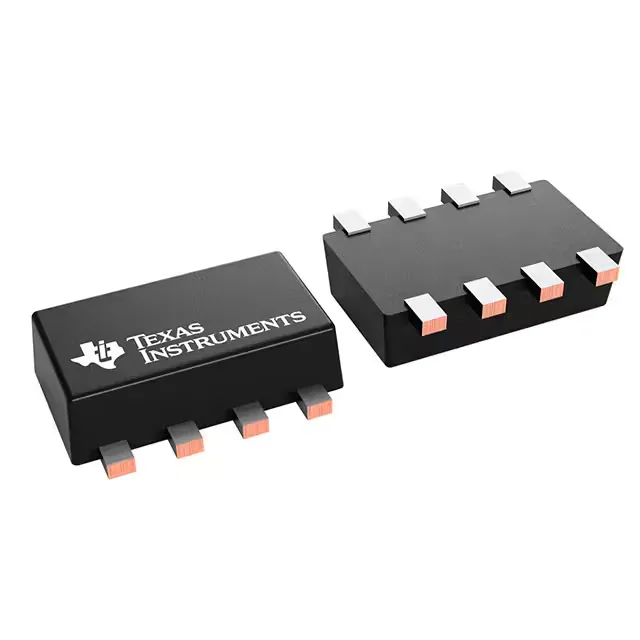
Texas Instruments TPS629203QDRLRQ1 — DC-DC Power Modules

TPS629203QDRLRQ1 Buck Converter, 300 mA, AEC-Q100, SOT-583

MPNTPS629203QDRLRQ1
Active

Texas Instruments TPS629203QDRLRQ1, Automotive AEC-Q100, Step-Down Buck Converter, 300 mA Output, Adjustable 0.4 V to 5.5 V, 1 MHz / 2.5 MHz Switching, SOT-583 Package.

$1.6400Ref. price · indicative, final on quote
Independent supplier — new & surplus stockAuthenticity-screened · ESD-safe packingListing updated Jul 2026

Specifications

TPS629203QDRLRQ1 specifications
ParameterValue
SeriesAutomotive, AEC-Q100
Output typeAdjustable
MountingSurface Mount
Voltage - input17V
Voltage - output5.5V
Voltage - output (Min (Fixed))0.4V
Output current300mA
Frequency - switching1MHz, 2.5MHz
I/O channels1
Operating temperature-40°C~150°C(TJ)
PackageTape & Reel (TR); Cut Tape (CT)
FunctionStep-Down
TopologyBuck
CaseSOT-583
Output configurationPositive
Synchronous rectifierYes

Product details

300 mA output, 1 MHz or 2.5 MHz switching

The switching frequency is pin-selectable between 1 MHz and 2.5 MHz — the higher setting keeps the fundamental switching noise above the AM broadcast band and shrinks the inductor to a 0603 or 0805 footprint.

SOT-583 package and layout notes

Housed in a SOT-583 package (1.6 mm × 1.6 mm, 0.5 mm pitch), the part is a surface-mount device. The small footprint demands a controlled reflow profile — the datasheet's recommended land pattern and stencil aperture are the starting point for the PCB layout. The synchronous rectifier is integrated, so no external Schottky diode is needed.

Frequently asked questions

Is TPS629203QDRLRQ1 obsolete?

No — the product status is listed as Active.

What is the output current of TPS629203QDRLRQ1?

The rated continuous output current is 300 mA. This is the maximum load the regulator can deliver while maintaining regulation over the full input voltage and temperature range.

What are the switching frequencies of TPS629203QDRLRQ1?

The switching frequency is pin-selectable to either 1 MHz or 2.5 MHz. The 2.5 MHz setting allows smaller inductors and keeps the fundamental switching noise above the AM radio band.