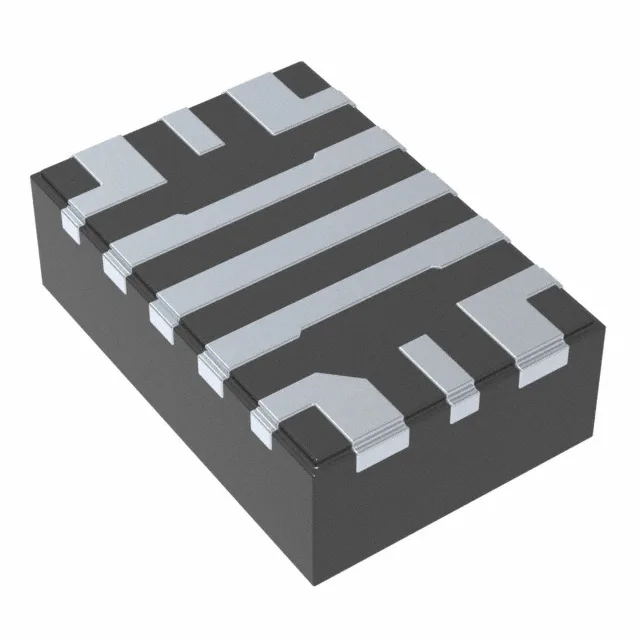
Texas Instruments TPS6281220QWRWYRQ1 — DC-DC Power Modules

TPS6281220QWRWYRQ1 Automotive Buck Converter, 2A, AEC-Q100

MPNTPS6281220QWRWYRQ1
Active

Texas Instruments TPS6281220QWRWYRQ1, Automotive AEC-Q100, Step-Down Buck Converter, Adjustable Output, 2A, 1.8MHz~4MHz, 9-VFQFN Package, -40°C~125°C.

$2.6400Ref. price · indicative, final on quote
Independent supplier — new & surplus stockAuthenticity-screened · ESD-safe packingListing updated Jul 2026

Specifications

TPS6281220QWRWYRQ1 specifications
ParameterValue
SeriesAutomotive, AEC-Q100
Output typeAdjustable
MountingSurface Mount, Wettable Flank
Voltage - input2.75V
Voltage - output5.5V
Voltage - output (Min (Fixed))0.6V
Output current2A
Frequency - switching1.8MHz ~ 4MHz
I/O channels1
Operating temperature-40°C~125°C(TA)
PackageTape & Reel (TR); Cut Tape (CT)
FunctionStep-Down
TopologyBuck
Case9-VFQFN
Output configurationPositive
Synchronous rectifierYes

Product details

The TPS6281220QWRWYRQ1 is a Texas Instruments synchronous step-down converter built for automotive point-of-load rails. It delivers 2A continuous from a 2.75V to 6V input, with an adjustable output from 0.6V up to 5.5V. The 1.8MHz to 4MHz switching frequency range lets you push the inductor size down when board area is tight, or drop the frequency to improve light-load efficiency.

Wettable-flank QFN — inspection without X-ray

The 9-VFQFN package (3x2 mm body) uses wettable-flank terminations. That means the side of each pad wets with solder during reflow, so an automated optical inspection (AOI) system can verify the joint — no X-ray needed. For automotive production lines that require 100% solder-joint inspection, this saves a process step. The package is surface-mount with wettable flank, specified as 9-VQFN-HR.

The base product number is TPS6281220, so any PCN or documentation updates track under that root.

Frequently asked questions

Is the TPS6281220QWRWYRQ1 AEC-Q100 qualified?

Yes, it is listed under the Automotive, AEC-Q100 series. That qualification covers the temperature range, reliability testing, and production flow required for automotive-grade parts used in safety and powertrain applications.