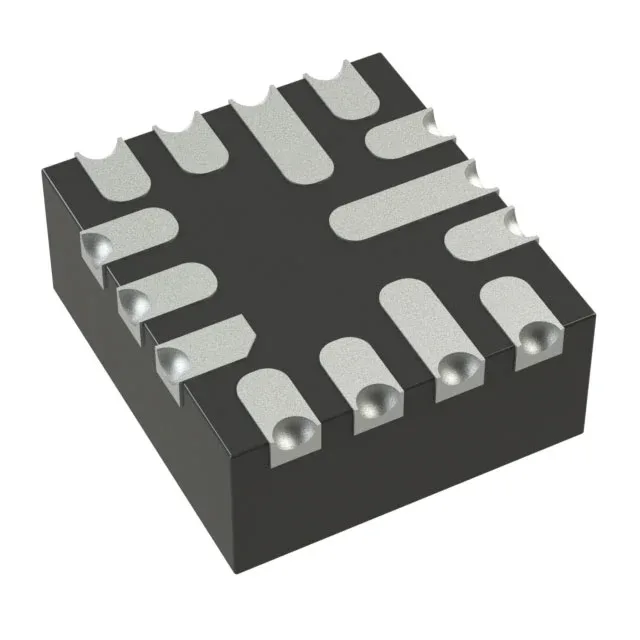
Texas Instruments TPS62442QWRQRRQ1 — Power Management (PMIC / Gate Driver)

TPS62442QWRQRRQ1 Dual Buck Regulator AEC-Q100 Automotive

MPNTPS62442QWRQRRQ1
Active

Texas Instruments TPS62442QWRQRRQ1, Automotive AEC-Q100, dual-output step-down (buck) switching regulator, 2.75V–6V input, adjustable output from 0.6V, 1.8MHz–4MHz switching frequency, 14-VQFN-HR (2.3x2.7) package.

$2.6800Ref. price · indicative, final on quote
Packaging14-VFQFN
RoHSROHS3 Compliant
Independent supplier — new & surplus stockAuthenticity-screened · ESD-safe packingListing updated Aug 2026

Specifications

TPS62442QWRQRRQ1 specifications
ParameterValue
Output typeAdjustable
MountingSurface Mount, Wettable Flank
Voltage - input2.75V
Voltage - output5.5V
Voltage - output (Min (Fixed))0.6V
Output current1A, 2A, 2A, 3A
Frequency - switching1.8MHz ~ 4MHz
I/O channels2
Operating temperature-40°C ~ 125°C (TA)
GradeAutomotive
PackageTape & Reel (TR) Cut Tape (CT)
FunctionStep-Down
TopologyBuck
QualificationAEC-Q100
Case14-VFQFN
Output configurationPositive
Synchronous rectifierYes

Product details

Dual-Channel Buck for Automotive Rails

It operates from a 2.75V to 6V input rail and delivers two adjustable outputs with current ratings of 1A, 2A, 2A, and 3A across the two channels. Switching frequency is programmable from 1.8MHz to 4MHz, allowing the PCB layout engineer to select inductor values in the 0.47µH to 2.2µH range and keep the ripple within the output capacitor's ESR budget.

AEC-Q100 Grade and Temperature Range

Lifecycle status is Active. The part is ROHS3 compliant.

Package and Mounting Checklist

Supplied in a 14-VQFN-HR package (2.3mm x 2.7mm body) with wettable flanks for automated optical inspection (AOI) after reflow. The exposed thermal pad must be connected to the ground plane with a thermal via array to keep the junction temperature below the 125°C limit under full load.

The base product number is TPS62442.

Frequently asked questions

Can TPS62442QWRQRRQ1 be used in battery-powered applications?

Yes. The 2.75V minimum input voltage allows operation from a single-cell Li-ion battery through its discharge range. The synchronous rectifier maintains efficiency above 90% across most of the load range, which matters for extending battery run time in portable automotive test equipment or auxiliary power modules.