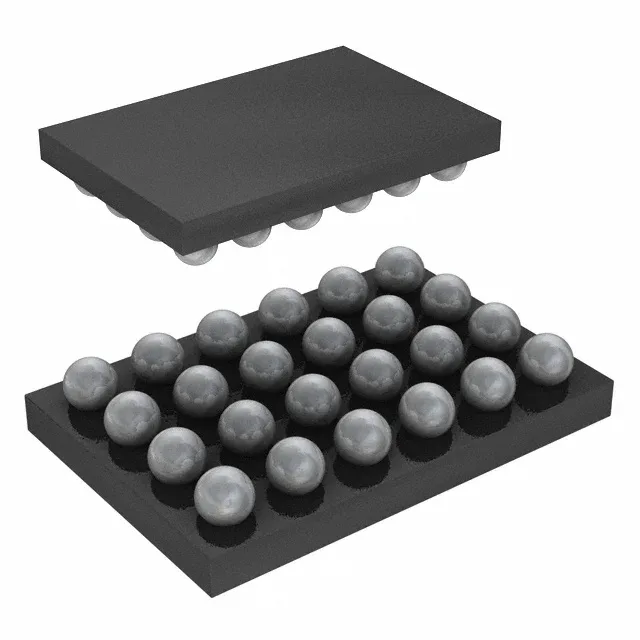
The TPS62180YZFR is a step-down (buck) switching regulator from Texas Instruments that delivers up to 6 A continuous output current from a 4 V to 15 V input rail. It uses synchronous rectification, which means the low-side switch is a MOSFET rather than a diode — this keeps efficiency higher at heavy loads and reduces the need for an external heatsink in many designs. The output is adjustable from a minimum of 0.9 V up to 6 V, so it can generate common core voltages like 1.2 V, 1.8 V, 3.3 V, or 5 V from a 5 V or 12 V bus.
Input voltage range and output current — the practical limits
The input voltage range is 4 V to 15 V. That 4 V minimum means the part needs a pre-regulated rail — it won't start from a 3.3 V bus or a single-cell Li-ion battery that has dropped below 4 V. The 15 V maximum covers most 12 V industrial and automotive auxiliary rails, but not 24 V systems. The 6 A output rating is continuous; the actual current you can draw depends on the input-to-output voltage difference, switching frequency, and thermal management in the 24-DSBGA package. At high step-down ratios (e.g., 12 V to 1.2 V), the duty cycle is low and the inductor ripple current is higher, so you may need to derate the output or add more output capacitance to stay within the current limit.
The 24-DSBGA package is lead-free compatible with standard reflow profiles. Sourcing is straightforward — we can quote against your BOM quantity and confirm lead time at the time of your RFQ.
The 24-DSBGA is a 0.5 mm pitch, 24-ball grid array.