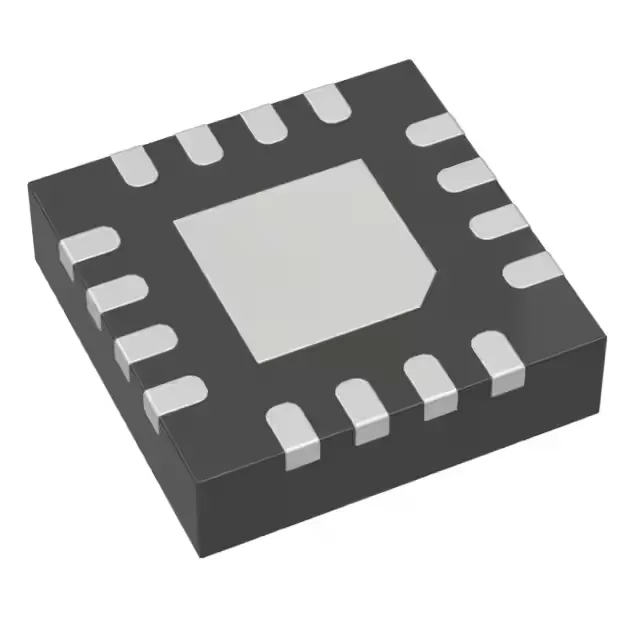
Texas Instruments TPS62140ARGTR — Power Management (PMIC / Gate Driver)

TPS62140ARGTR 2 A Step-Down Regulator, 2.5 MHz, 16-VQFN

MPNTPS62140ARGTR
Active

Texas Instruments DCS-Control™ series, TPS62140ARGTR, Step-Down Buck Regulator, Adjustable Output, 2 A, 2.5 MHz, 3 V to 17 V Input, 16-VFQFN Exposed Pad, -40°C to 85°C.

$1.7800Ref. price · indicative, final on quote
Independent supplier — new & surplus stockAuthenticity-screened · ESD-safe packingListing updated Jul 2026

Specifications

TPS62140ARGTR specifications
ParameterValue
SeriesDCS-Control™
Output typeAdjustable
MountingSurface Mount
Voltage - input17V
Voltage - output6V
Voltage - output (Min (Fixed))0.9V
Output current2A
Frequency - switching2.5MHz
I/O channels1
Operating temperature-40°C~85°C(TA)
PackageTape & Reel (TR); Cut Tape (CT)
FunctionStep-Down
TopologyBuck
Case16-VFQFN Exposed Pad
Output configurationPositive
Synchronous rectifierYes

Product details

The TPS62140ARGTR: The 2.5 MHz switching frequency supports a small inductor and ceramic output capacitor, keeping the solution footprint compact.

Adjustable output down to 0.9 V — core rail ready

The output is adjustable from 0.9 V up to 6 V, covering the low-voltage supply needs of modern FPGAs, MCUs, and SoC cores without an intermediate LDO. The synchronous rectifier (integrated high-side and low-side FETs) eliminates the external Schottky diode, improving efficiency and reducing BOM count.

Frequently asked questions

What is the closest pin-compatible alternative to TPS62140ARGTR in this component family?

The TPS62140ARGTR is pin-compatible with the TPS62140 base part number — the 'RGT' suffix denotes the 16-VQFN package and the 'R' suffix indicates Tape & Reel packaging. Within the TPS6214x family, the 1 A TPS62130 and 2 A TPS62140 share the same pinout and package, differing only in output current rating.

Does TPS62140ARGTR require a heatsink for 2 A output at high ambient temperatures?

At 2 A output and high ambient temperatures near 85°C, the exposed pad of the 16-VQFN package must be soldered to a sufficient copper area on the PCB with thermal vias to dissipate heat. A separate heatsink is not required if the PCB layout follows the datasheet thermal guidelines.