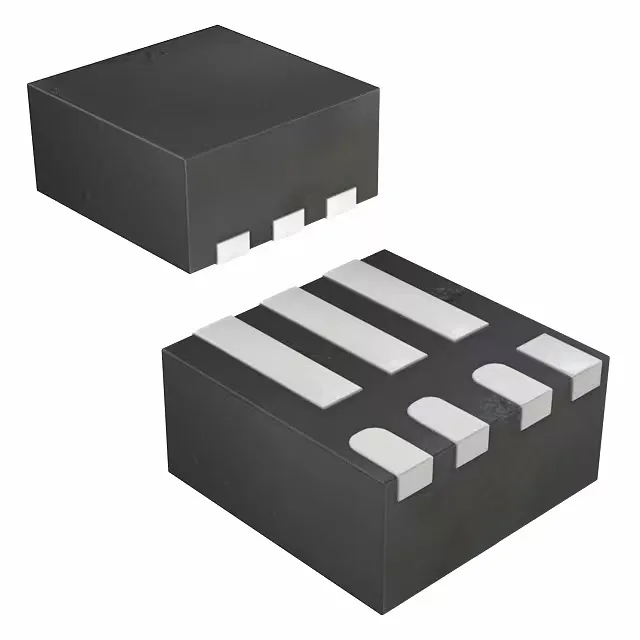
Texas Instruments TPS62086RLTR — Power Management (PMIC / Gate Driver)

TPS62086RLTR 3A Step-Down Buck, 2.4MHz, 2x2mm

MPNTPS62086RLTR
Active

Texas Instruments TPS62086RLTR, DCS-Control™ synchronous buck regulator, 3A output, 2.5V-6V input, fixed 3.3V output, 2.4MHz switching, -40°C~125°C, 7-VSON-HR (2x2mm).

$2.4500Ref. price · indicative, final on quote
Independent supplier — new & surplus stockAuthenticity-screened · ESD-safe packingListing updated Jul 2026

Specifications

TPS62086RLTR specifications
ParameterValue
SeriesDCS-Control™
Output typeFixed
MountingSurface Mount
Voltage - input2.5V
Voltage - output (Min (Fixed))3.3V
Output current3A
Frequency - switching2.4MHz
I/O channels1
Operating temperature-40°C~125°C(TJ)
PackageTape & Reel (TR); Cut Tape (CT)
FunctionStep-Down
TopologyBuck
Case7-VFDFN
Output configurationPositive
Synchronous rectifierYes

Product details

3 A in a 2x2 mm VSON — what that buys the BOM

The TPS62086RLTR is a fixed 3.3 V output, 3 A synchronous step-down converter from Texas Instruments, using their DCS-Control™ topology. It fits into a 7-VSON-HR package measuring 2x2 mm — that current density matters when the board is tight and the load rail is a 3.3 V digital core or I/O bank. Input voltage range is 2.5 V to 6 V, so it runs from a single-cell Li-ion (3.6 V nominal) up to a regulated 5 V rail. The 2.4 MHz switching frequency lets you use a small inductor — typically 1 µH to 2.2 µH in the 0805 or 1210 footprint — and keeps the output ripple manageable without huge ceramic caps.

Temperature range and switching — layout and derating callouts

The fixed 3.3 V output simplifies the feedback loop — no resistor divider, no external compensation. The 2.4 MHz switching frequency pushes the fundamental harmonic above the AM band, which helps with EMI in sensitive receiver designs, but it also means the input capacitor needs low ESL; place a 10 µF X5R or X7R ceramic within 2 mm of the VIN pin.

Frequently asked questions

Where can I buy TPS62086RLTR in stock?

Buyers need immediate availability to avoid production delays.

What is the price of TPS62086RLTR?

Price is the primary factor in BOM cost decisions.

What is the datasheet for TPS62086RLTR?

Engineers need full electrical specs and pinout for design validation.

Is TPS62086RLTR obsolete or active?

Lifecycle status determines long-term availability and redesign risk.

What is the equivalent or replacement for TPS62086RLTR?

Cross-reference is needed for second source or if part becomes unavailable.

What are the pinout and package details of TPS62086RLTR?

Physical fit and pin compatibility are critical for PCB layout and replacement.