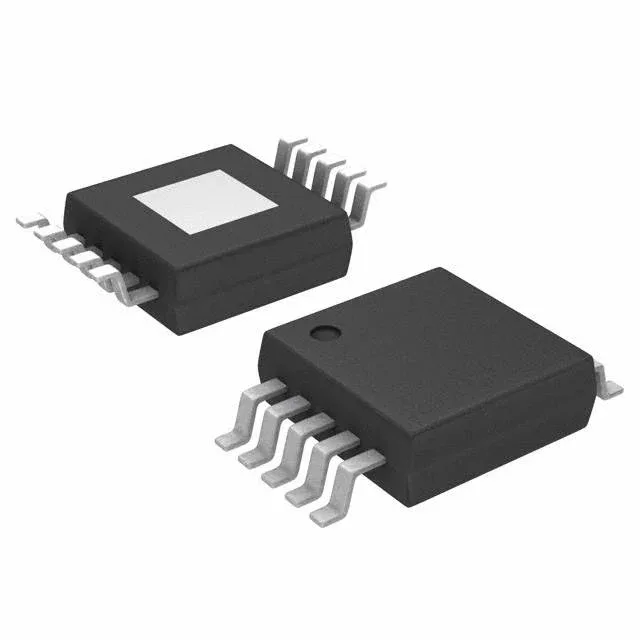
Texas Instruments TPS62026DGQR — Power Management (PMIC / Gate Driver)

TPS62026DGQR Step-Down Buck Regulator, 3.3V Fixed Output

MPNTPS62026DGQR
Active

Texas Instruments TPS62026DGQR, Step-Down Buck Regulator, Fixed 3.3V Output, 600 mA, 1.25 MHz Switching, Synchronous Rectifier, -40°C to 85°C, 10-HVSSOP Package.

$0.9435Ref. price · indicative, final on quote
Independent supplier — new & surplus stockAuthenticity-screened · ESD-safe packingListing updated Jul 2026

Specifications

TPS62026DGQR specifications
ParameterValue
Output typeFixed
MountingSurface Mount
Voltage - input2.5V
Voltage - output (Min (Fixed))3.3V
Output current600mA
Frequency - switching1.25MHz
I/O channels1
Operating temperature-40°C~85°C(TA)
PackageTape & Reel (TR); Cut Tape (CT)
FunctionStep-Down
TopologyBuck
Case10-PowerTFSOP, 10-MSOP (0.118\", 3.00mm Width)
Output configurationPositive
Synchronous rectifierYes

Product details

Fixed 3.3V rail from 2.5V to 6V input

The TPS62026DGQR is a synchronous step-down (buck) regulator from Texas Instruments that delivers a fixed 3.3V output from an input range of 2.5V to 6V.

600 mA continuous output with 1.25 MHz switching

Rated for 600 mA continuous output current, the TPS62026DGQR uses a 1.25 MHz fixed switching frequency.

10-pin HVSSOP package and industrial temperature range

The package is compatible with standard surface-mount reflow profiles.

Frequently asked questions

What is the output voltage of TPS62026DGQR?

Fixed output must match design voltage requirement.

Where can I buy TPS62026DGQR with stock?

Availability affects production timeline and sourcing strategy.

What is the price of TPS62026DGQR?

Cost per unit impacts BOM budget and component selection.

Is TPS62026DGQR lead-free and RoHS compliant?

Compliance is mandatory for many markets and designs.

What is the input voltage range of TPS62026DGQR?

Ensures the regulator can operate with the available supply rail.

Does TPS62026DGQR require external components for operation?

Informs design complexity and total component count.