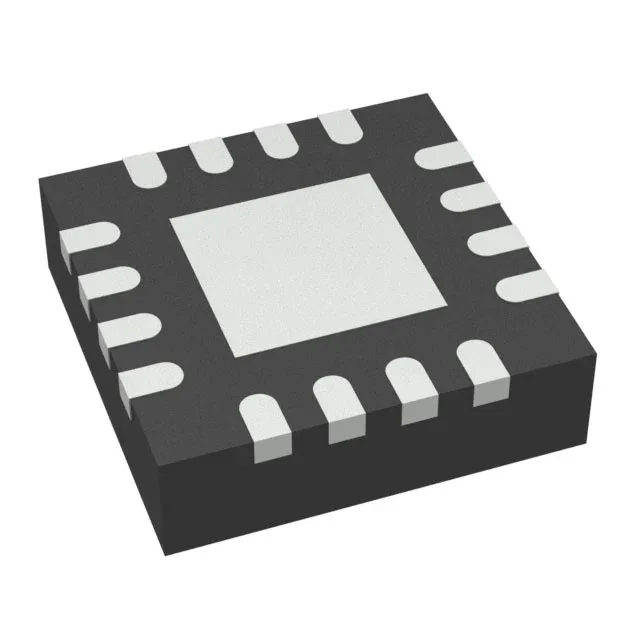
Texas Instruments TPS61390RTET — Power Management (PMIC / Gate Driver)

TPS61390RTET Texas Instruments Boost Converter, 85 V Output

MPNTPS61390RTET
Active

Texas Instruments TPS61390RTET, non-synchronous step-up boost converter, 2.5 V to 5.5 V input range, adjustable output from 20 V to 85 V, 700 kHz switching frequency, single positive output, 16-WFQFN exposed pad package, surface mount.

$4.4500Ref. price · indicative, final on quote
Packaging16-WFQFN Exposed Pad
RoHSROHS3 Compliant
Independent supplier — new & surplus stockAuthenticity-screened · ESD-safe packingListing updated Aug 2026

Specifications

TPS61390RTET specifications
ParameterValue
Output typeAdjustable
MountingSurface Mount
Voltage - input5.5V
Voltage - output85V
Voltage - output (Min (Fixed))20V
Frequency - switching700kHz
I/O channels1
Operating temperature-40°C~125°C(TJ)
PackageTape & Reel (TR); Cut Tape (CT)
FunctionStep-Up
TopologyBoost
Case16-WFQFN Exposed Pad
Output configurationPositive
Synchronous rectifierNo

Product details

Boost converter for high-voltage bias rails

Switching at 700 kHz, the part uses an external diode (no synchronous rectifier) — the inductor and catch diode see the full output voltage, so choose a diode with at least 100 V reverse rating and a Schottky if efficiency matters above 80 %.

Output voltage range and input limits

Minimum input is 2.5 V, maximum 5.5 V — the part runs from a single Li-ion cell, a 3.3 V rail, or a regulated 5 V bus. The output is adjustable via a resistor divider from a 20 V floor to an 85 V ceiling. That 85 V maximum means the switching node rings to roughly the same voltage — layout needs a tight power loop from the inductor through the diode to the output capacitor, with the exposed pad (16-WQFN, 3x3 mm) soldered to a copper plane for thermal relief.

Frequently asked questions

Can TPS61390RTET be used for a 3.3 V output?

No — the minimum adjustable output is 20 V, so this part cannot produce a 3.3 V rail. It is intended for high-voltage bias supplies up to 85 V.